Unlocking Growth: A Comprehensive Guide to Government Grants and Subsidies for Small Businesses in Cyprus
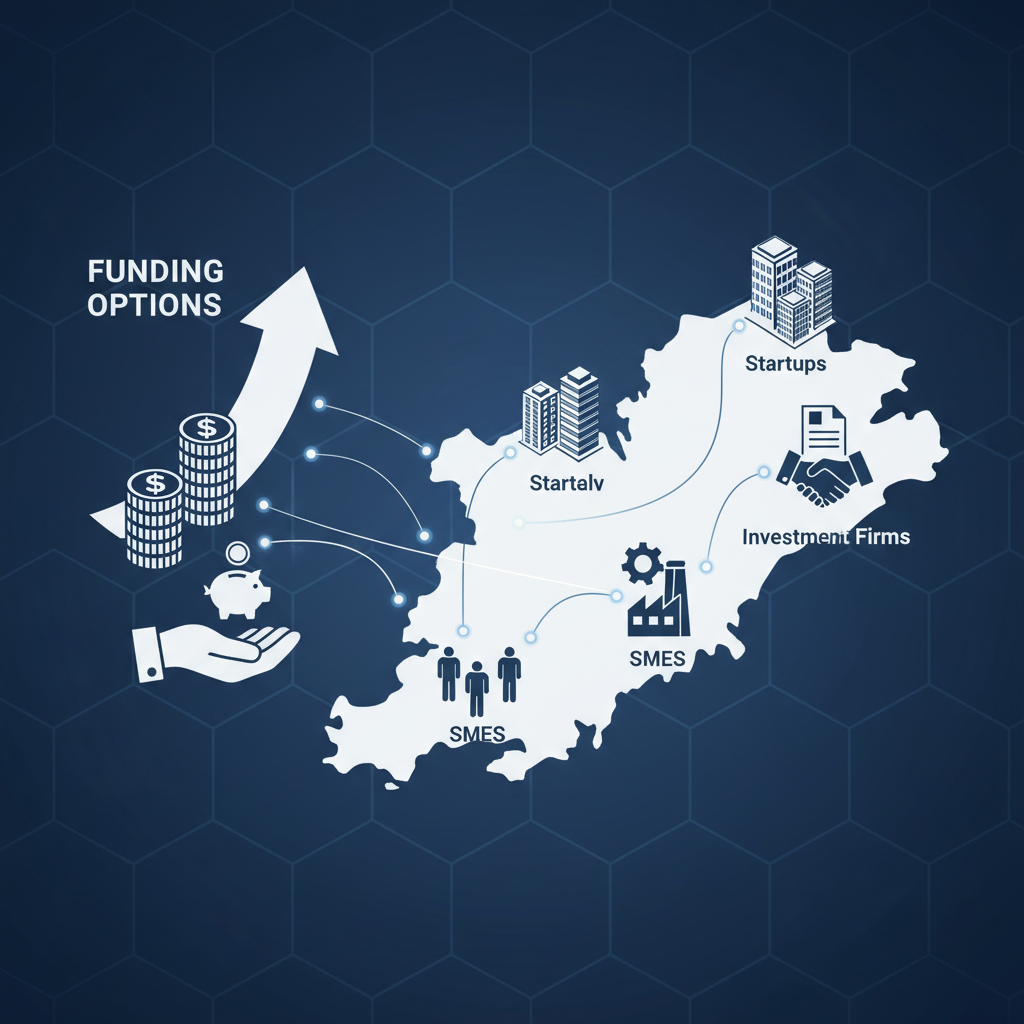
Cyprus offers a robust landscape of government grants and subsidies designed to stimulate growth, innovation, and job creation within its small and medium-sized enterprise (SME) sector. This article provides an in-depth look at the various funding opportunities available, guiding entrepreneurs through eligibility, application processes, and strategic considerations to maximise their chances of success.
Unlocking Growth: A Comprehensive Guide to Government Grants and Subsidies for Small Businesses in Cyprus
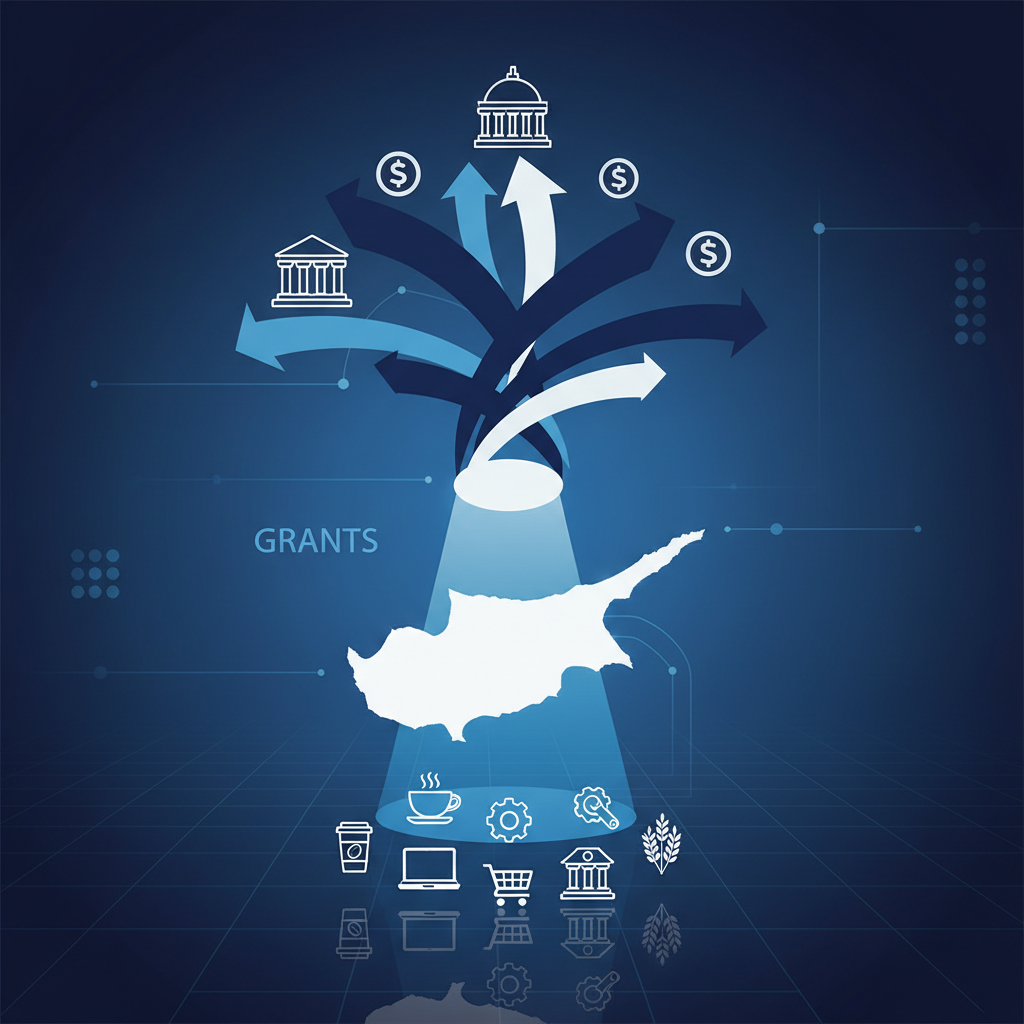
Cyprus, a prominent business hub in the Eastern Mediterranean, actively supports its small and medium-sized enterprise (SME) sector through a variety of government grants and subsidies. These financial incentives are crucial for fostering innovation, encouraging entrepreneurship, creating employment opportunities, and enhancing the overall competitiveness of the Cypriot economy. For both nascent startups and established small businesses looking to expand, understanding and leveraging these programs can provide a significant competitive advantage. This comprehensive guide delves into the key aspects of government support available, offering practical insights for entrepreneurs navigating the Cypriot funding landscape.
The Strategic Importance of Government Support for Cypriot SMEs
Small and medium-sized enterprises form the backbone of the Cypriot economy, contributing significantly to GDP and employment. Recognising this, the Cypriot government, often in conjunction with European Union (EU) structural funds, implements various schemes aimed at addressing common challenges faced by SMEs, such as access to finance, technological adoption, market expansion, and skill development. These programs are not merely about providing capital; they are strategic tools designed to steer economic development towards specific national and EU priorities, including green transition, digital transformation, and regional cohesion.
The strategic importance of these grants extends beyond direct financial aid. They often come with requirements for business planning, innovation, and sustainability, thereby encouraging best practices and long-term viability. For instance, grants focused on digital transformation compel businesses to modernise their operations, improving efficiency and market reach. Similarly, schemes promoting green investments push companies towards more sustainable and environmentally friendly practices, aligning with broader EU objectives. Understanding the underlying strategic goals of each grant program is key to crafting a compelling application that resonates with the funding authorities.
Key Types of Government Grants and Subsidies Available
The Cypriot government, primarily through the Ministry of Energy, Commerce and Industry (MECI) and the Research and Innovation Foundation (RIF), offers a diverse portfolio of funding opportunities. These can broadly be categorised based on their objectives:
1. Entrepreneurship and Startup Support Schemes
These programs are designed to encourage new business creation and support young entrepreneurs. A prominent example is the "Scheme for the Enhancement of Entrepreneurship" which often targets specific groups such as young people, women, or individuals in rural areas. These grants typically cover a percentage of eligible startup costs, including equipment, initial operating expenses, marketing, and consultancy services. The funding intensity can be substantial, sometimes reaching up to 50-60% of eligible costs, with a maximum grant amount that varies per call. Eligibility usually requires a well-developed business plan, a clear demonstration of market potential, and the creation of new jobs. The application process involves submitting a detailed proposal, financial projections, and often an interview or presentation to a committee.
2. Digital Transformation and Innovation Schemes
In line with EU and national digital agendas, Cyprus places a strong emphasis on digitalising its economy. Grants under this category aim to help SMEs adopt new technologies, improve their online presence, implement e-commerce solutions, and invest in advanced software and hardware. The "Digital Upgrade Scheme" is a notable example, providing financial assistance for investments in digital infrastructure, cybersecurity, and automation. The Research and Innovation Foundation (RIF) also offers various programs, such as "Innovate" and "Research in Enterprises," which support R&D activities, product development, and the commercialisation of innovative ideas. These grants often require a clear demonstration of the innovative aspect of the project and its potential impact on competitiveness and productivity. Costs covered can include software licenses, hardware purchases, IT consulting, and R&D personnel salaries.
3. Green Transition and Energy Efficiency Schemes
Cyprus is committed to achieving climate neutrality, and this commitment is reflected in its grant programs. Schemes focusing on green transition and energy efficiency aim to incentivise businesses to reduce their environmental footprint, adopt renewable energy sources, and improve energy efficiency. Examples include grants for installing photovoltaic systems, upgrading to energy-efficient machinery, implementing waste management solutions, and investing in sustainable production processes. These programs not only offer financial aid but also contribute to a business's corporate social responsibility profile and can lead to long-term operational cost savings. The eligibility criteria often involve energy audits, environmental impact assessments, and adherence to specific technical standards.
4. Regional Development and Competitiveness Schemes
These grants are often co-funded by the European Regional Development Fund (ERDF) and are designed to enhance the competitiveness of Cypriot businesses across various sectors. They can cover a wide range of investments, including expansion of production capacity, modernisation of facilities, acquisition of new machinery, and market penetration activities. Specific calls might target particular sectors deemed strategic for the Cypriot economy, such as tourism, manufacturing, or professional services. The application process for these larger schemes can be more complex, requiring detailed financial analyses, feasibility studies, and a comprehensive project plan demonstrating economic viability and job creation potential.
Application Process, Timelines, and Key Considerations
Navigating the application process for government grants in Cyprus requires meticulous preparation and a strategic approach. While specific requirements vary by scheme, several common steps and considerations apply:
-
Stay Informed: Grant calls are announced periodically. Businesses should regularly monitor the websites of the Ministry of Energy, Commerce and Industry (MECI), the Research and Innovation Foundation (RIF), and the European Structural and Investment Funds (ESIF) for new opportunities. Subscribing to newsletters and engaging with business associations can also provide timely updates.
-
Eligibility Check: Before investing time in an application, thoroughly review the eligibility criteria. These can include sector, company size, legal form, location, and specific project objectives. Non-compliance with even minor criteria can lead to immediate disqualification.
-
Detailed Business Plan and Project Proposal: A well-structured, comprehensive business plan and project proposal are paramount. This document must clearly articulate the project's objectives, methodology, expected outcomes, financial projections, and how it aligns with the grant's specific goals. Emphasise the innovative aspects, job creation potential, and economic impact.
-
Financial Documentation: Applicants will need to provide extensive financial documentation, including audited financial statements, tax clearance certificates, and bank statements. Robust financial health and the ability to co-finance the project (as most grants do not cover 100% of costs) are crucial.
-
Cost Justification: All proposed expenditures must be thoroughly justified and accompanied by quotes from at least three different suppliers for each item. This ensures transparency and fair pricing.
-
Timelines: The application windows for grants are often limited, ranging from a few weeks to a couple of months. The evaluation process can also take several months, so businesses should plan accordingly and not rely solely on grant funding for immediate needs.
-
Professional Assistance: Engaging with experienced consultants specialising in grant applications can significantly increase the chances of success. They can help with proposal writing, financial modelling, and navigating the bureaucratic intricacies.
-
Compliance and Reporting: Successful applicants must adhere to strict compliance and reporting requirements throughout the project's lifecycle. This includes submitting progress reports, financial statements, and undergoing audits. Failure to comply can result in the clawback of funds.
Conclusion
Government grants and subsidies in Cyprus represent a vital resource for small businesses aiming for growth, innovation, and sustainability. From supporting nascent startups to driving digital and green transformations, these programs offer significant financial impetus. However, securing these funds demands a proactive approach, meticulous planning, and a thorough understanding of the application processes and underlying strategic objectives. By staying informed, preparing comprehensive proposals, and adhering to compliance requirements, Cypriot SMEs can effectively leverage these opportunities to unlock their full potential, contribute to the national economy, and thrive in an increasingly competitive global marketplace. Entrepreneurs are strongly encouraged to explore the available schemes, seek professional guidance, and strategically align their business development plans with the priorities of the Cypriot government and the European Union.