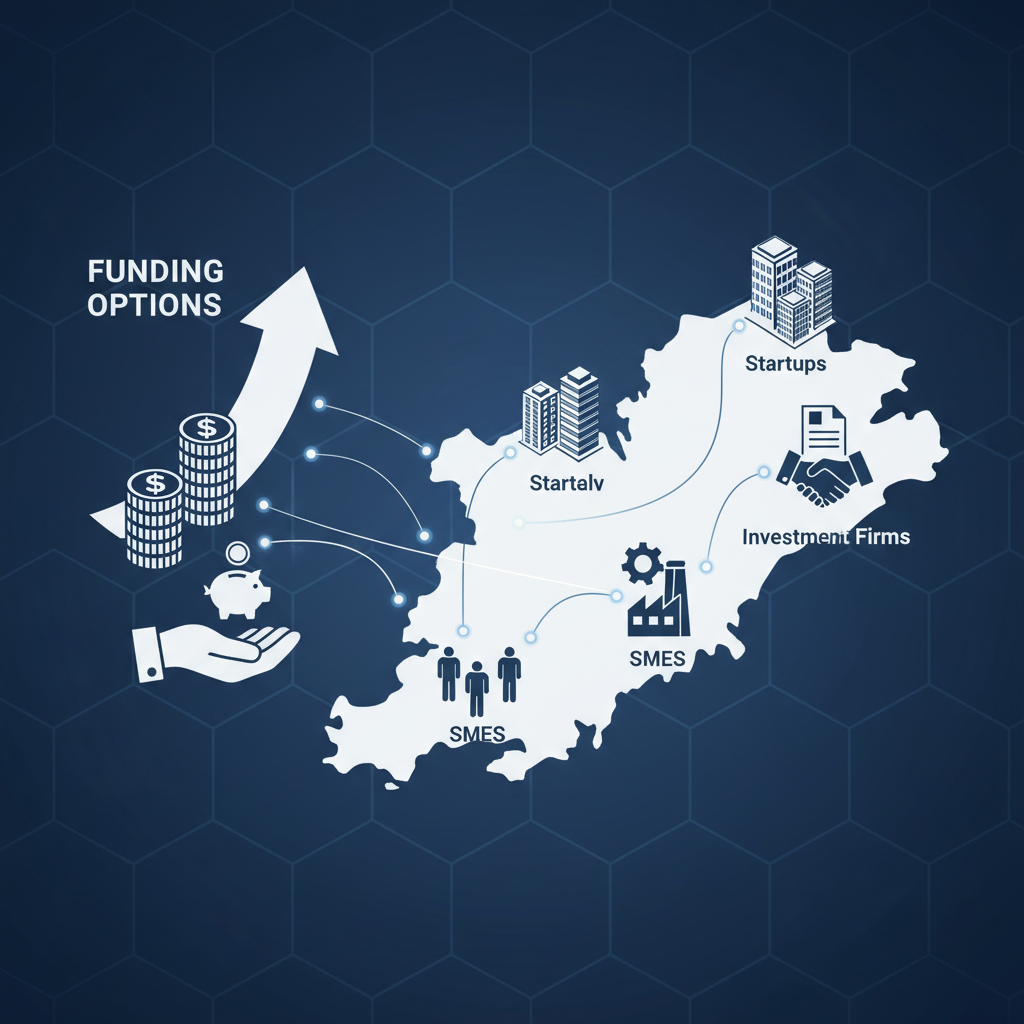
Navigating the UK's Startup Ecosystem: Incubators, Accelerators, and Co-Working Spaces
The United Kingdom boasts a vibrant and supportive ecosystem for startups and growing businesses, underpinned by a diverse array of incubators, accelerators, and co-working spaces. This article provides a comprehensive guide to these essential resources, detailing their functions, benefits, and how to leverage them for business success. Entrepreneurs will gain actionable insights into selecting the right environment to foster innovation and growth.

Navigating the UK's Startup Ecosystem: Incubators, Accelerators, and Co-Working Spaces
The United Kingdom has firmly established itself as a global hub for innovation and entrepreneurship, attracting talent and investment from across the world. A cornerstone of this dynamic environment is the robust network of incubators, accelerators, and co-working spaces that provide crucial support, resources, and community for nascent and scaling businesses. Understanding the distinct roles and benefits of each is paramount for any entrepreneur looking to launch or grow a venture in the UK.
The UK's Startup Landscape: A Foundation for Growth
The UK's appeal to startups is multifaceted. It benefits from a strong legal framework, a highly skilled workforce, access to significant capital, and a government committed to fostering business growth through various initiatives. Cities like London, Manchester, Edinburgh, and Bristol are particularly active, each developing specialised ecosystems catering to different sectors such as FinTech, BioTech, AI, and creative industries. This decentralised yet interconnected network ensures that businesses across various sectors and regions can find tailored support.
Government Support and Regulatory Environment
The UK government actively promotes entrepreneurship through schemes like the Seed Enterprise Investment Scheme (SEIS) and Enterprise Investment Scheme (EIS), which offer generous tax reliefs to investors in qualifying startups. Innovate UK, part of UK Research and Innovation, provides grants and support for R&D-intensive businesses. The regulatory environment, while robust, is generally considered business-friendly, with clear processes for company formation, intellectual property protection, and employment law. Understanding these frameworks is crucial for any business operating within the UK.
Incubators: Nurturing Early-Stage Ventures
Incubators are designed to support businesses in their very early stages, often pre-seed or seed, helping them transform an idea into a viable business. They typically offer a longer-term, less intensive program compared to accelerators, focusing on foundational business development.
What Incubators Offer
- Mentorship and Guidance: Access to experienced mentors, industry experts, and business advisors who provide strategic direction, market insights, and operational advice.
- Office Space and Facilities: Often provide subsidised or free office space, meeting rooms, and essential amenities, reducing overheads for cash-strapped startups.
- Networking Opportunities: Facilitate connections with other founders, potential investors, and industry stakeholders, fostering a collaborative community.
- Business Development Resources: Workshops, training sessions, and resources on business planning, legal structures, intellectual property, marketing, and fundraising.
- Access to Funding: While not directly providing funding, incubators often help startups prepare for investor pitches and connect them with angel investors or venture capitalists.
Key Considerations for Incubators
- Duration: Programs can last from several months to a few years, depending on the incubator and the startup's needs.
- Equity vs. Fee-Based: Some incubators take a small equity stake in exchange for their services, while others operate on a fee-for-service model or are government/university-funded.
- Sector Focus: Many incubators specialise in particular industries (e.g., tech, life sciences, social enterprise), offering tailored support and networks.
Notable UK Incubators
Examples include university-affiliated incubators like the Cambridge Judge Business School's Accelerate programme, or sector-specific ones such as Plexal (cybersecurity) and SETsquared (multi-sector, university-backed).
Accelerators: Fast-Tracking Growth and Investment
Accelerators are intensive, short-term programs (typically 3-6 months) designed to rapidly scale early-stage companies that already have a viable product or service and some market traction. Their primary goal is to prepare companies for significant investment and rapid growth.
What Accelerators Offer
- Intensive Mentorship: Highly structured mentorship from a dedicated pool of successful entrepreneurs, investors, and industry leaders.
- Seed Funding: Most accelerators provide a small amount of seed funding (e.g., £20k-£150k) in exchange for a minority equity stake (typically 5-10%).
- Structured Curriculum: A rigorous program of workshops, masterclasses, and one-on-one sessions covering product development, market fit, sales, marketing, and fundraising strategies.
- Demo Day: A culminating event where startups pitch to a large audience of investors, media, and potential partners, providing a critical platform for fundraising.
- Network Access: Unparalleled access to a curated network of venture capitalists, angel investors, corporate partners, and alumni.
Key Considerations for Accelerators
- Competitiveness: Entry into top accelerators is highly competitive, requiring a strong team, innovative product, and clear market opportunity.
- Equity Dilution: Founders must be comfortable giving up a percentage of their company in exchange for funding and support.
- Program Intensity: The programs are demanding and require full commitment from the founding team.
Notable UK Accelerators
Prominent UK accelerators include Techstars London, Entrepreneur First, and Wayra UK (Telefónica's accelerator), each with a strong track record of success and a focus on different stages or sectors.
Co-Working Spaces: Flexible Environments for Collaboration
Co-working spaces provide flexible office solutions and a collaborative environment for freelancers, startups, and small businesses. They are less structured than incubators or accelerators but offer significant benefits in terms of cost-efficiency, networking, and community.
What Co-Working Spaces Offer
- Flexible Workspaces: Options ranging from hot desks and dedicated desks to private offices, often available on a monthly or even daily basis.
- Cost-Effectiveness: Significantly cheaper than traditional office leases, with utilities, internet, and sometimes basic office supplies included.
- Community and Networking: Opportunities to connect with diverse professionals, fostering collaboration, knowledge sharing, and potential business partnerships.
- Professional Amenities: Access to meeting rooms, printing facilities, high-speed internet, kitchenettes, and sometimes event spaces.
- Events and Workshops: Many spaces host regular events, workshops, and social gatherings, adding value beyond just a desk.
Key Considerations for Co-Working Spaces
- Location and Accessibility: Proximity to transport links, clients, and amenities is often a key factor.
- Community Vibe: Each co-working space has a unique culture; finding one that aligns with your business values and work style is important.
- Membership Tiers: Understand the different membership options and what is included in each to ensure it meets your specific needs.
- Privacy and Noise: Open-plan environments can sometimes be noisy; consider options for private calls or focused work if needed.
Notable UK Co-Working Spaces
Major players include WeWork, Regus, and The Office Group, alongside numerous independent and specialised co-working spaces catering to specific niches or locations across the UK.
Choosing the Right Environment for Your Business
Selecting between an incubator, accelerator, or co-working space depends heavily on your business stage, funding needs, and desired level of support. Early-stage, pre-product businesses might benefit most from the foundational support of an incubator. Companies with a validated product and seeking rapid scale and investment are ideal candidates for accelerators. For established freelancers, small teams, or businesses needing flexible office solutions and a vibrant community, co-working spaces offer an excellent solution.
It's also worth noting that these categories are not mutually exclusive. A startup might begin in a co-working space, progress through an incubator, and then join an accelerator, leveraging different resources at various stages of its journey. Many incubators and accelerators also provide co-working facilities as part of their programs.
Conclusion
The UK's ecosystem of incubators, accelerators, and co-working spaces represents a critical infrastructure for entrepreneurial success. By understanding the distinct offerings of each – from the foundational nurturing of incubators, the rapid growth trajectory of accelerators, to the flexible and collaborative environments of co-working spaces – entrepreneurs can strategically position their ventures for optimal development. Leveraging these resources effectively can provide access to essential mentorship, funding, networks, and a supportive community, significantly enhancing a startup's chances of thriving in the competitive global market. For any business looking to make its mark in the UK, engaging with this ecosystem is not merely an option, but a strategic imperative.