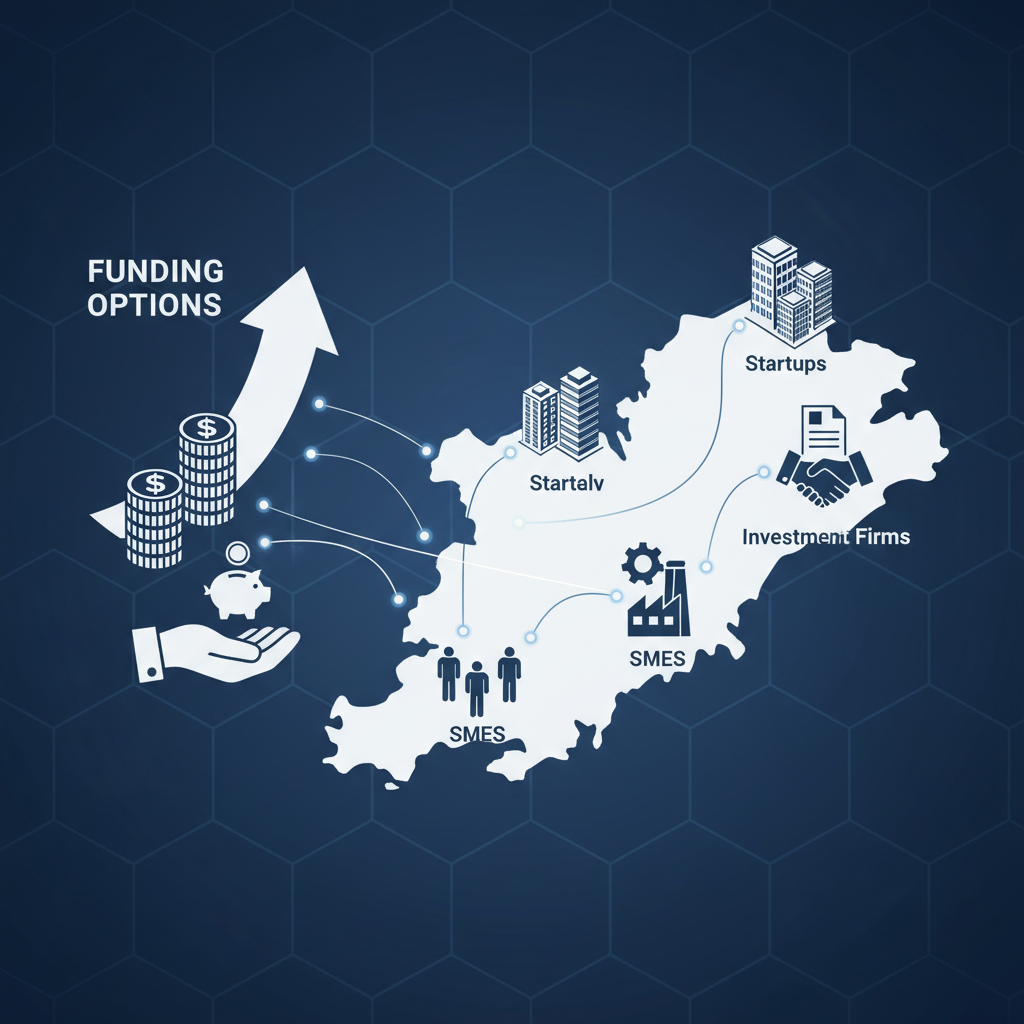
Navigating the UK Funding Landscape: Options for Startups and SMEs
Securing adequate funding is a critical challenge for startups and Small and Medium-sized Enterprises (SMEs) in the United Kingdom. This comprehensive guide explores the diverse funding avenues available, from traditional bank loans to innovative equity financing, offering practical insights for entrepreneurs.
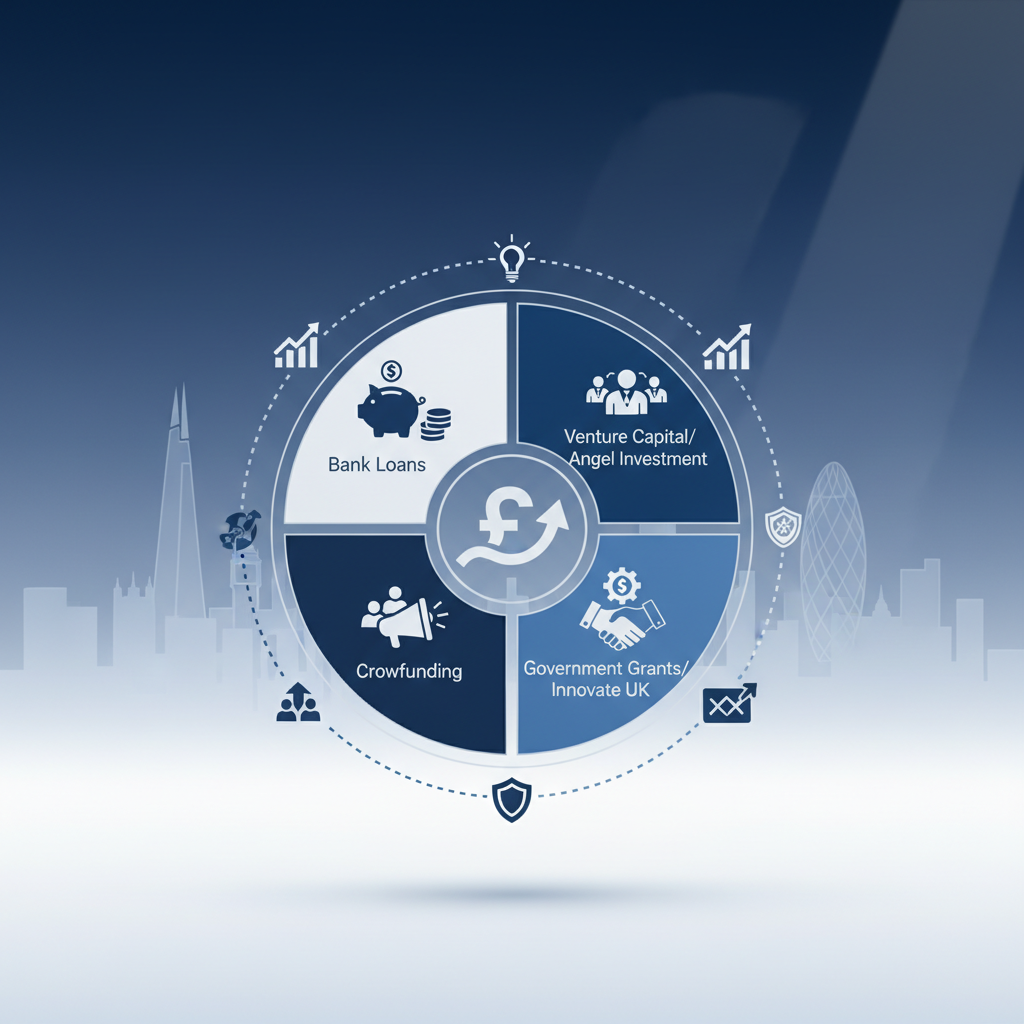
Navigating the UK Funding Landscape: Options for Startups and SMEs
The vibrant entrepreneurial ecosystem of the United Kingdom is a fertile ground for innovation and growth. However, a perennial challenge for both nascent startups and established Small and Medium-sized Enterprises (SMEs) remains securing the necessary capital to launch, scale, and sustain operations. The UK funding landscape is dynamic and multifaceted, offering a spectrum of options tailored to different stages of business development, risk profiles, and growth ambitions. Understanding these options, their associated regulations, processes, costs, and timelines is paramount for any business owner seeking to thrive in a competitive market.
Traditional Debt Financing: The Backbone of SME Funding
Traditional debt financing, primarily through banks, remains a cornerstone for many UK businesses. These options are generally well-understood and offer predictable repayment schedules, making them attractive for businesses with stable cash flows and tangible assets. However, they often require a strong credit history, a robust business plan, and sometimes personal guarantees.
Bank Loans and Overdrafts
Bank Loans: Available from high street banks and challenger banks, these typically come in various forms, including term loans, secured loans (against assets like property or machinery), and unsecured loans. Term loans offer a lump sum with fixed or variable interest rates and a set repayment period, usually ranging from 1 to 10 years. For secured loans, the interest rates are often lower due to reduced risk for the lender. Unsecured loans, while more flexible, often carry higher interest rates and smaller loan amounts.
Overdrafts: These provide a flexible short-term funding solution, allowing businesses to draw more money than they hold in their current account, up to an agreed limit. They are ideal for managing fluctuating cash flow but can be expensive if used for extended periods due to daily interest charges.
Key Considerations: Banks will typically assess a business's creditworthiness, financial projections, and collateral. The application process can take several weeks, requiring detailed financial statements, business plans, and sometimes personal financial information. Interest rates vary significantly based on the lender, loan type, and perceived risk. Regulatory oversight is primarily by the Financial Conduct Authority (FCA).
Asset Finance and Invoice Finance
Asset Finance: This category includes hire purchase and leasing agreements, allowing businesses to acquire essential equipment, vehicles, or machinery without a large upfront capital outlay. Hire purchase involves paying instalments over time and owning the asset at the end, while leasing provides usage rights without ownership. This is particularly useful for businesses needing significant capital expenditure but wishing to preserve working capital.
Invoice Finance (Factoring and Discounting): This solution addresses cash flow gaps caused by slow-paying customers. Factoring involves selling outstanding invoices to a third party (a 'factor') at a discount, who then takes responsibility for collecting the debt. Invoice discounting is similar, but the business retains control of its sales ledger and customer relationships. These options can provide immediate cash injection, typically releasing 80-90% of the invoice value upfront. Costs include a service fee and a discount charge on the advanced funds. The timeline for initial setup can be a few days to a week, with subsequent advances often processed within 24 hours.
Equity Financing: Sharing Ownership for Growth
Equity financing involves selling a stake in the company to investors in exchange for capital. While it means diluting ownership, it brings in smart money, often accompanied by valuable expertise, networks, and mentorship. Unlike debt, equity does not require regular repayments, making it attractive for high-growth businesses with uncertain early-stage revenues.
Angel Investors and Venture Capital (VC)
Angel Investors: These are high-net-worth individuals who invest their own money into early-stage companies, often in exchange for equity. Beyond capital, angels frequently provide invaluable industry experience, mentorship, and connections. They typically invest smaller sums (tens of thousands to a few hundred thousand pounds) than VCs and are often more flexible in their terms. Finding angel investors often involves networking, pitch events, and online platforms.
Venture Capital (VC) Firms: VCs invest larger sums (hundreds of thousands to millions of pounds) into high-growth potential companies, usually in later seed, Series A, B, and beyond rounds. They manage funds from institutional investors and expect significant returns on their investments, often seeking an exit strategy through acquisition or IPO within 5-7 years. The due diligence process for VC funding is rigorous and can take several months, involving detailed financial analysis, market assessment, and team evaluation. VC firms often take a more active role in guiding the company's strategy.
Crowdfunding
Crowdfunding has democratised access to capital by allowing a large number of individuals to invest small amounts in a business. The UK is a global leader in crowdfunding, with several well-established platforms.
Equity Crowdfunding: Investors receive shares in the company. This is regulated by the FCA and offers a way to raise capital while also building a community of brand advocates. Platforms like Seedrs and Crowdcube are prominent in the UK. Businesses need to prepare a compelling pitch, detailed business plan, and financial projections. The process can take several weeks to prepare and run a campaign, with success depending heavily on marketing and investor engagement.
Debt Crowdfunding (Peer-to-Peer Lending): Individuals lend money to businesses in exchange for interest payments. Platforms like Funding Circle facilitate this. It can be quicker and more flexible than traditional bank loans, often with competitive interest rates. Businesses are assessed based on creditworthiness, and loans can range from thousands to hundreds of thousands of pounds.
Government Support and Grants
The UK government, along with various regional bodies, offers a range of grants, loans, and tax incentives designed to support startups and SMEs, particularly those focused on innovation, job creation, or specific sectors.
Grants and Innovation Funding
Innovate UK: This is the UK's innovation agency, offering grants and funding programmes for businesses developing innovative products, processes, or services. Grants are typically non-repayable but highly competitive, requiring detailed proposals outlining the project's novelty, impact, and commercial viability. Application processes can be complex and time-consuming, often taking several months from application to funding decision.
Regional and Local Grants: Various local authorities, Local Enterprise Partnerships (LEPs), and devolved administrations (e.g., Scottish Enterprise, Welsh Government) offer grants and support programmes tailored to regional economic priorities. These can cover areas like business growth, training, environmental improvements, or specific industry sectors.
Tax Incentives
EIS (Enterprise Investment Scheme) and SEIS (Seed Enterprise Investment Scheme): These government-backed schemes offer generous tax reliefs to individuals who invest in eligible early-stage companies. SEIS is for very early-stage companies (under two years old, gross assets under £200k) and offers 50% income tax relief, capital gains tax exemption, and loss relief. EIS is for slightly more mature companies (under seven years old, gross assets under £15m) and offers 30% income tax relief. These schemes are powerful tools for attracting private investment, as they significantly de-risk the investment for angels and high-net-worth individuals. Businesses must be unquoted, trading, and meet specific criteria regarding age, size, and activities.
R&D Tax Credits: This scheme allows companies to deduct a percentage of their qualifying research and development costs from their taxable profits, or receive a cash credit if they are loss-making. It's a significant incentive for businesses investing in innovation across all sectors. The process involves identifying eligible R&D activities and costs and submitting a claim through the company's corporation tax return. Claims can be retrospective for up to two accounting periods.
Alternative and Emerging Funding Sources
Beyond the more established avenues, several alternative funding options are gaining traction, offering flexibility and catering to niche requirements.
Revenue-Based Financing (RBF)
RBF involves investors providing capital in exchange for a percentage of the company's future revenue until a predetermined multiple of the initial investment is repaid. This is particularly attractive for SaaS companies or businesses with predictable recurring revenue streams. It's non-dilutive and offers flexible repayment terms that adjust with revenue fluctuations, making it less burdensome during leaner months. The process is often quicker than equity rounds, focusing on revenue metrics rather than extensive due diligence on market size or team composition.
Convertible Loans
Convertible loans are a hybrid debt-equity instrument. They start as a loan but can convert into equity at a later date, typically at a discount to a future funding round's valuation. This is popular for early-stage startups that need capital quickly but haven't yet established a clear valuation. It defers the valuation discussion, allowing the company to grow and demonstrate traction before setting an equity price. Key terms include the interest rate, maturity date, valuation cap, and discount rate.
Conclusion
The UK funding landscape offers a rich tapestry of options for startups and SMEs, each with its own advantages, disadvantages, and suitability depending on the business's stage, sector, and growth trajectory. From traditional bank loans providing stability to innovative equity schemes attracting high-growth capital, and government grants fostering innovation, entrepreneurs have a wealth of choices. Successfully navigating this landscape requires a clear understanding of one's own business needs, a well-articulated business plan, meticulous financial projections, and an awareness of the regulatory environment. By strategically combining different funding sources and leveraging available government support, UK businesses can secure the capital necessary to fuel their ambitions and contribute to the nation's economic prosperity.