Navigating Singapore Banking Requirements for Foreign-Owned Companies: A Comprehensive Guide
This article provides a detailed guide for foreign-owned companies seeking to establish banking relationships in Singapore, covering essential requirements, regulatory considerations, and practical steps. It offers actionable insights to streamline the account opening process and ensure compliance with Singapore's robust financial regulations.
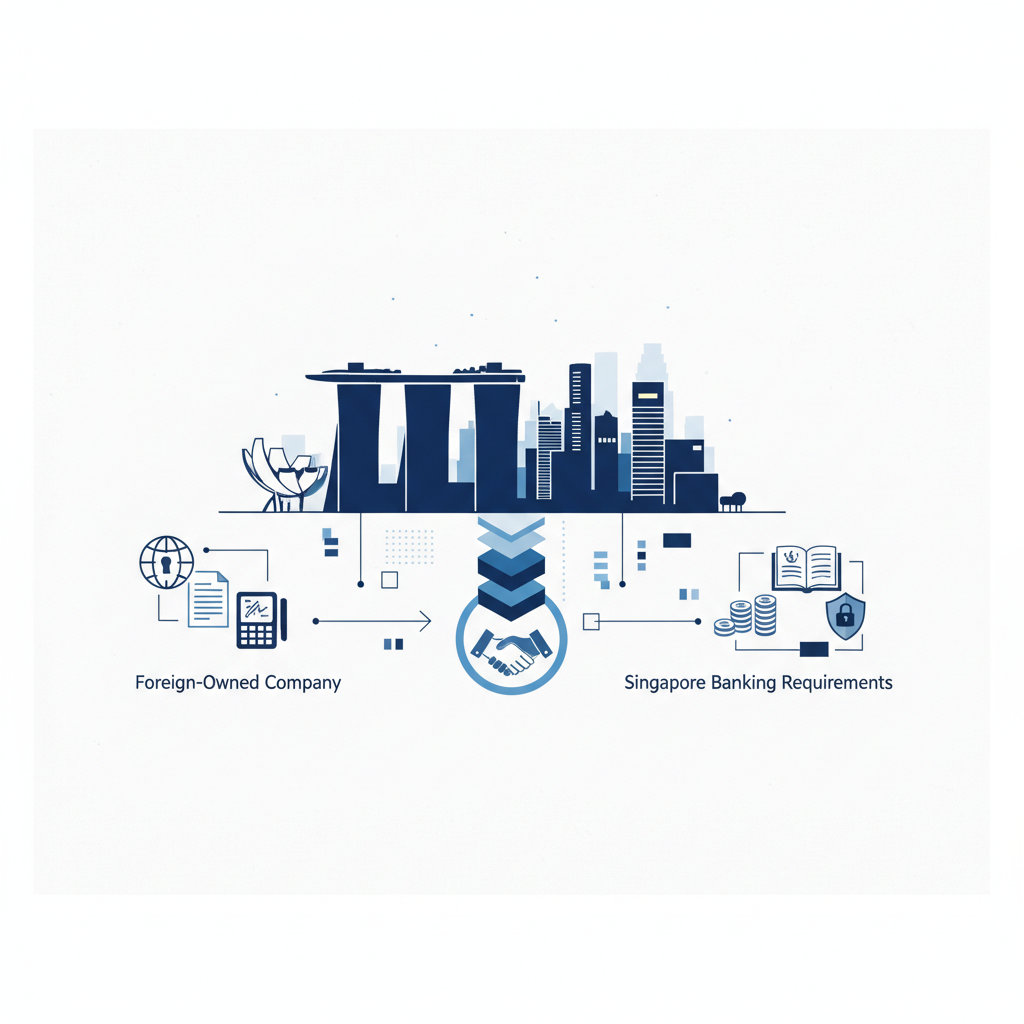
Singapore has long been lauded as a premier global financial hub, renowned for its political stability, robust regulatory framework, and business-friendly environment. These attributes make it an attractive destination for foreign-owned companies looking to establish a presence in Asia. However, navigating the banking landscape and fulfilling the requirements for opening a corporate bank account can be a complex process, particularly for non-residents. This comprehensive guide aims to demystify the Singapore banking requirements for foreign-owned companies, offering practical insights and actionable steps.
Understanding Singapore's Banking Landscape and Regulatory Environment
Singapore's financial sector is meticulously regulated by the Monetary Authority of Singapore (MAS), which maintains stringent anti-money laundering (AML) and counter-financing of terrorism (CFT) policies. This commitment to financial integrity, while ensuring a secure banking environment, also translates into rigorous due diligence processes for account opening. Foreign-owned companies must understand that Singaporean banks are obligated to conduct thorough Know Your Customer (KYC) checks to verify the identity and legitimacy of all beneficial owners, directors, and signatories. This often involves a higher level of scrutiny compared to domestic entities, given the increased risk perception associated with cross-border transactions and ownership structures.
The banking sector in Singapore is highly competitive, featuring a mix of local giants like DBS, OCBC, and UOB, alongside numerous international banks such as Standard Chartered, HSBC, Citibank, and Maybank. Each bank offers a range of corporate banking products tailored to different business needs, from basic current accounts to sophisticated trade finance and treasury solutions. While the core requirements are generally consistent across institutions, specific documentation and internal processes can vary. It is advisable for foreign companies to research and compare offerings from multiple banks to find one that best aligns with their operational needs, transaction volumes, and geographic focus.
Key Regulatory Considerations
- Anti-Money Laundering (AML) and Counter-Financing of Terrorism (CFT) Laws: These are the bedrock of Singapore's financial regulations. Banks are legally bound to identify and verify the identity of their customers and the beneficial owners of corporate entities. This includes understanding the source of funds and the nature of business activities.
- Common Reporting Standard (CRS) and Foreign Account Tax Compliance Act (FATCA): Singapore is a signatory to CRS and has an Intergovernmental Agreement (IGA) with the US for FATCA. This means banks will collect and report information on financial accounts held by foreign tax residents to their respective tax authorities, impacting foreign-owned companies with international tax obligations.
- Data Privacy: While banks collect extensive personal and corporate data, Singapore's Personal Data Protection Act (PDPA) ensures that this information is handled securely and responsibly.
Essential Requirements for Corporate Bank Account Opening
Opening a corporate bank account in Singapore for a foreign-owned company typically involves fulfilling a set of core requirements. These are designed to ensure compliance with MAS regulations and the bank's internal risk management policies.
Company Documentation
- Certificate of Incorporation: Issued by the Accounting and Corporate Regulatory Authority (ACRA), proving the company's legal existence.
- Company Business Profile (BizFile): An official document from ACRA detailing company information such as registered address, share capital, directors, and shareholders.
- Memorandum and Articles of Association (M&AA) / Constitution: The foundational legal document outlining the company's objectives, rules, and structure.
- Board Resolution: A formal resolution passed by the company's board of directors authorising the opening of the bank account and appointing signatories.
- Proof of Business Activity: Documents such as business plans, contracts, invoices, or supplier agreements to demonstrate the nature and legitimacy of the company's operations. For newly incorporated companies, a detailed business plan is crucial.
Director and Shareholder Documentation
- Passport Copies: For all directors, shareholders (holding 25% or more of shares), and authorised signatories.
- Proof of Residential Address: Utility bills, bank statements, or government-issued documents (dated within the last three months) for all individuals mentioned above.
- Curriculum Vitae (CV) / Professional Profile: For directors and ultimate beneficial owners, providing insight into their professional background and experience.
- Bank Reference Letter: Sometimes requested for directors or beneficial owners, especially for non-residents, to attest to their banking history and financial standing.
Additional Considerations for Foreign-Owned Entities
- Physical Presence of Signatories: Many banks require at least one authorised signatory to be physically present in Singapore for the account opening process. While some banks offer remote account opening options, these are often subject to stricter conditions and may require video conferencing or certified document submission through their international branches. It is crucial to confirm this requirement with the chosen bank beforehand.
- Local Resident Director: While not always a strict banking requirement, having a local resident director can significantly streamline the account opening process and enhance the company's credibility with banks. Singaporean law mandates that every company must have at least one resident director.
- Company Secretary: All Singaporean companies are required to appoint a company secretary, who plays a vital role in ensuring corporate governance and compliance. Banks will often request details of the company secretary.
The Account Opening Process: Steps and Timelines
The process of opening a corporate bank account in Singapore typically involves several stages, from initial inquiry to account activation. Understanding these steps can help foreign-owned companies prepare adequately and manage expectations regarding timelines.
Step-by-Step Guide
- Bank Selection: Research and compare banks based on their offerings, fees, international reach, and specific requirements for foreign-owned entities. Consider factors like online banking capabilities, multi-currency accounts, and trade finance services.
- Initial Inquiry and Document Submission: Contact the chosen bank to express interest and obtain a list of precise documentation required. Submit all necessary company and individual documents, ensuring they are certified as true copies where required.
- Due Diligence and KYC: The bank will conduct its thorough due diligence, verifying the submitted documents and performing background checks on all relevant individuals and the company. This is the most time-consuming part of the process.
- Interview (if required): Some banks may request an interview with the directors or authorised signatories, either in person or via video conference, to understand the business operations and verify information.
- Account Approval and Activation: Upon successful completion of due diligence, the bank will approve the account opening. You will then receive account details, online banking credentials, and any necessary debit cards or cheque books.
Timelines and Potential Challenges
- Timeline: The entire process can range from 2 to 8 weeks, or even longer, depending on the complexity of the company structure, the completeness of submitted documents, and the bank's internal workload. Remote account opening often takes longer due to additional verification steps.
- Common Challenges:
- Incomplete or Incorrect Documentation: This is the most frequent cause of delays. Ensure all documents are accurate, up-to-date, and certified correctly.
- Complex Ownership Structures: Companies with multiple layers of ownership or those involving entities in high-risk jurisdictions may face extended scrutiny.
- Lack of Physical Presence: If no signatory can be physically present, finding a bank willing to open an account remotely can be challenging, and the process will be more rigorous.
- High-Risk Business Activities: Businesses involved in sectors perceived as high-risk (e.g., cryptocurrency, gambling, certain types of trading) may face additional hurdles or be outright rejected by some banks.
Optimising Your Banking Experience
To ensure a smooth and efficient banking experience in Singapore, foreign-owned companies should adopt proactive strategies and leverage available resources.
Pre-Application Preparation
- Prepare a Comprehensive Business Plan: A well-articulated business plan outlining your company's objectives, target market, operational model, and financial projections can significantly aid the bank's understanding of your business and expedite the approval process.
- Appoint a Reliable Corporate Service Provider (CSP): CSPs in Singapore specialise in company incorporation, secretarial services, and often assist with bank account opening. They can guide you through the documentation requirements, liaise with banks, and ensure compliance with local regulations, saving significant time and effort.
- Ensure All Documents are Certified: For non-resident directors and shareholders, ensure that copies of passports and proof of address are certified by a notary public, lawyer, or a bank official in their country of residence.
- Understand Your Ultimate Beneficial Owners (UBOs): Be prepared to clearly articulate and provide documentation for all UBOs, even if they are several layers removed from the direct shareholding structure.
Post-Account Opening Best Practices
- Maintain Clear and Transparent Records: Keep meticulous records of all financial transactions and business activities. Banks may periodically request updates or additional information to ensure ongoing compliance.
- Regularly Update Company Information: Inform your bank promptly of any changes to your company's directors, shareholders, registered address, or business activities.
- Understand Banking Fees: Familiarise yourself with the bank's fee structure, including monthly maintenance fees, transaction charges, and international transfer fees, to avoid unexpected costs.
- Leverage Digital Banking: Singaporean banks offer advanced digital banking platforms. Utilise these tools for efficient management of your accounts, payments, and financial reporting.
Conclusion
Establishing a corporate bank account in Singapore is a critical step for any foreign-owned company looking to tap into the vibrant Asian market. While the process demands meticulous preparation and adherence to stringent regulatory requirements, the benefits of banking in Singapore – including its strong financial reputation, stable economy, and access to global financial networks – far outweigh the initial complexities. By understanding the regulatory landscape, preparing all necessary documentation, and potentially engaging with experienced corporate service providers, foreign-owned companies can navigate the banking requirements effectively. Proactive engagement with banks, transparency in disclosures, and continuous compliance will pave the way for a successful and long-term banking relationship, underpinning the growth and prosperity of your business in Singapore.