Navigating Professional Licensing Requirements in the United States: A Comprehensive Guide for Businesses
Understanding and complying with professional licensing requirements is a critical, yet often complex, aspect of doing business in the United States. This article provides a comprehensive overview for entrepreneurs and business professionals, detailing the multi-layered regulatory landscape, key considerations, and practical steps to ensure compliance and avoid costly penalties.
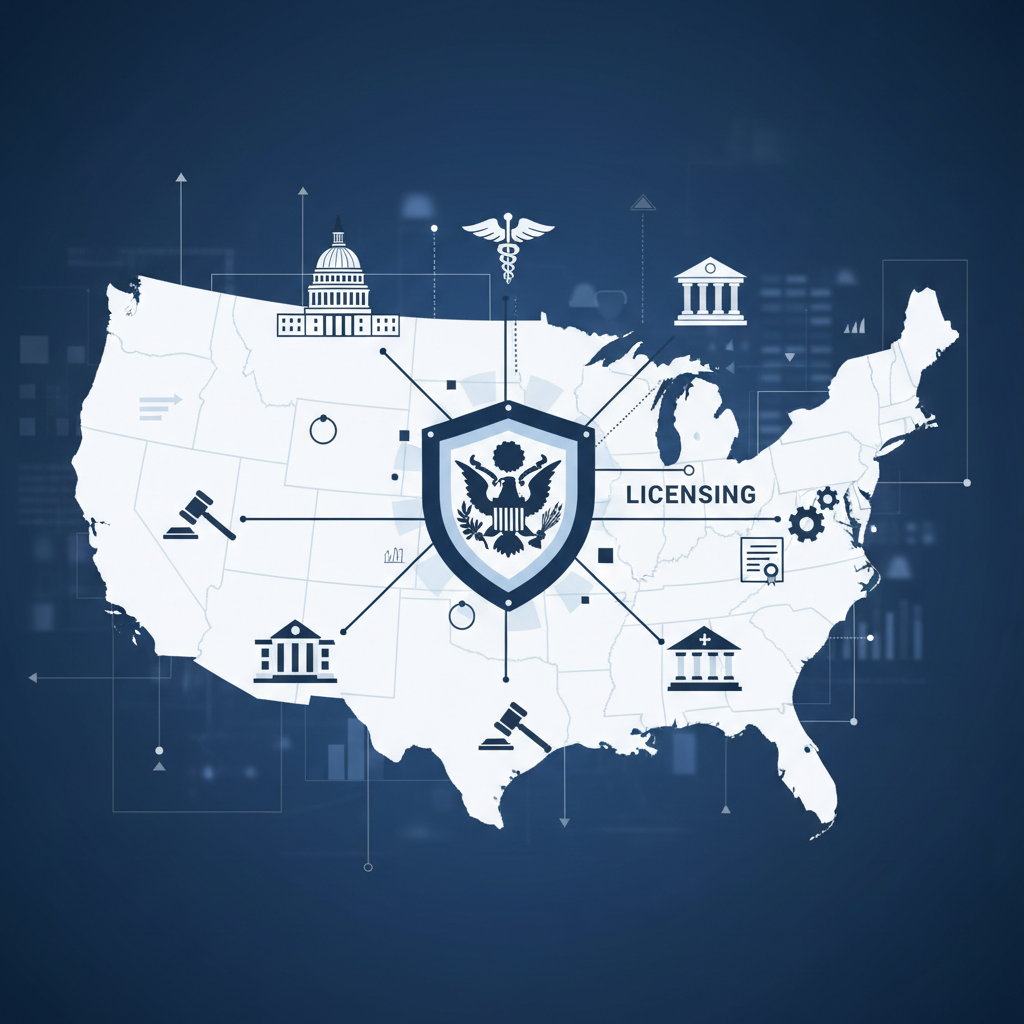
Navigating Professional Licensing Requirements in the United States: A Comprehensive Guide for Businesses
The United States presents a dynamic and often intricate regulatory environment for businesses, with professional licensing requirements standing as a significant hurdle for many. Unlike a single federal licensing body for most professions, the regulatory landscape is a complex tapestry woven from federal, state, and local mandates. For entrepreneurs and established businesses alike, a thorough understanding of these requirements is not merely a bureaucratic formality but a fundamental prerequisite for legal operation, credibility, and success. Failure to comply can lead to severe penalties, including fines, cease-and-desist orders, reputational damage, and even criminal charges.
This article aims to demystify professional licensing in the U.S., providing a comprehensive guide for business professionals to navigate this critical aspect of their operations. We will explore the various layers of regulation, common types of licenses, the application process, and strategies for maintaining compliance.
The Multi-Layered Regulatory Landscape
The complexity of professional licensing in the U.S. stems from its decentralized nature. Authority is distributed across several governmental levels, each with its own set of rules and enforcement mechanisms.
Federal Licensing
While less common for individual professionals, certain industries and activities fall under direct federal regulation. These often involve interstate commerce, national security, or highly specialized fields. Examples include:
- Transportation: The Federal Motor Carrier Safety Administration (FMCSA) licenses commercial drivers and trucking companies involved in interstate transport.
- Finance: The Securities and Exchange Commission (SEC) regulates brokers, investment advisors, and certain financial institutions.
- Broadcasting: The Federal Communications Commission (FCC) licenses radio and television stations.
- Aviation: The Federal Aviation Administration (FAA) licenses pilots, aircraft mechanics, and air traffic controllers.
Businesses operating in these federally regulated sectors must ensure compliance with federal statutes and agency-specific licensing requirements before engaging in any activities.
State Licensing
State-level licensing is the most prevalent and often the most challenging to navigate due to the diversity of regulations across 50 states. Each state has its own licensing boards and agencies responsible for overseeing specific professions. These boards typically establish educational requirements, experience thresholds, examination standards, and ethical codes of conduct. Common professions requiring state licenses include:
- Healthcare: Doctors, nurses, dentists, pharmacists, therapists, and other medical professionals.
- Legal: Attorneys (licensed by state bar associations).
- Construction & Trades: General contractors, electricians, plumbers, HVAC technicians, architects, and engineers.
- Real Estate: Real estate agents, brokers, and appraisers.
- Financial Services: Insurance agents, loan officers, and certain financial advisors (in addition to federal oversight).
- Cosmetology & Barbering: Hair stylists, estheticians, and nail technicians.
It is crucial to understand that a license obtained in one state is generally not valid in another. Professionals often need to obtain separate licenses for each state in which they practice, though some states have reciprocity agreements or endorsement processes that can streamline multi-state licensing.
Local (City/County) Licensing
Beyond state requirements, many cities and counties impose their own business licenses and permits. These are typically less about professional qualifications and more about local business registration, zoning compliance, and revenue generation. Examples include:
- General Business Licenses: Required by most municipalities for any business operating within their jurisdiction.
- Zoning Permits: Ensuring the business location complies with local land use regulations.
- Health Permits: For businesses handling food or providing personal services.
- Fire Permits: For establishments with specific fire safety requirements.
Local licensing requirements can vary significantly even within the same state, making localized research essential.
Key Considerations and the Application Process
Navigating the professional licensing process requires meticulous planning and attention to detail. Here are key steps and considerations:
1. Identify All Applicable Licenses
The first and most critical step is to accurately identify every license, permit, and registration required for your specific business activities and location(s). This involves:
- Defining Your Business Activities: Clearly outline all services offered, products sold, and operational methods.
- Researching State-Specific Requirements: Visit the official websites of state professional licensing boards relevant to your industry. Many states have a central business portal that can guide you.
- Consulting Local Authorities: Contact your city and county clerk's offices or economic development departments for local business license requirements.
- Seeking Professional Advice: For complex businesses or those operating across multiple jurisdictions, consulting with a business attorney or a specialized licensing consultant is highly recommended. They can help identify obscure requirements and navigate intricate regulations.
2. Understand Requirements and Prepare Documentation
Once identified, thoroughly review the requirements for each license. Common requirements include:
- Educational Transcripts: Proof of degrees, certifications, or specific coursework.
- Experience Verification: Letters from previous employers, client testimonials, or portfolios.
- Examination Scores: Passing scores on state or national licensing exams.
- Background Checks: Criminal history checks, fingerprinting.
- Proof of Insurance: Professional liability insurance (malpractice), general liability, or bonding.
- Application Forms and Fees: Completing detailed applications and paying non-refundable fees.
- Business Entity Information: Articles of incorporation/organization, EIN.
Gathering all necessary documentation can be time-consuming, so start early.
3. Application Submission and Follow-Up
Submit complete applications with all required attachments. Many states now offer online application portals, which can expedite the process. After submission:
- Track Application Status: Keep records of submission dates and application numbers. Regularly check the status online or contact the licensing board.
- Respond to Inquiries Promptly: Be prepared to provide additional information or clarify details if requested by the licensing authority.
- Anticipate Timelines: Licensing processes can range from a few weeks to several months, depending on the profession and state. Factor these timelines into your business launch plans.
4. Costs and Renewals
Professional licenses involve various costs:
- Application Fees: Initial fees for processing your application.
- Examination Fees: Costs associated with taking required licensing exams.
- Renewal Fees: Licenses typically need to be renewed periodically (annually, biennially, etc.), incurring recurring fees.
- Continuing Education: Many professions require ongoing education to maintain licensure, which can involve course fees.
Establish a system for tracking renewal dates and continuing education credits to avoid lapses in licensure, which can lead to penalties and temporary cessation of operations.
Maintaining Compliance and Avoiding Pitfalls
Obtaining a license is just the first step; ongoing compliance is equally vital.
Continuous Monitoring of Regulations
Laws and regulations change. Licensing boards periodically update their rules, and new legislation can impact existing requirements. Businesses must stay informed of these changes through:
- Subscribing to Regulatory Updates: Many state boards offer email newsletters or alerts.
- Industry Associations: Professional associations often track and disseminate regulatory changes relevant to their members.
- Regular Legal Review: Periodically consult with legal counsel to ensure ongoing compliance, especially if expanding services or entering new markets.
Ethical Conduct and Professional Standards
Most professional licenses come with a code of ethics or professional standards. Violations of these standards can lead to disciplinary actions, including license suspension or revocation. Upholding high ethical standards is not only good business practice but also a regulatory imperative.
Reciprocity and Endorsement for Multi-State Operations
For businesses operating across state lines, understanding reciprocity and endorsement agreements is crucial. Reciprocity means one state recognizes a license issued by another state, often with minimal additional requirements. Endorsement is a similar process where a state may grant a license based on an out-of-state license if the applicant meets substantially similar requirements. These processes can significantly reduce the burden of obtaining multiple full licenses but still require careful application and verification.
Conclusion
Professional licensing in the United States is a multifaceted and essential aspect of business operation. From federal agencies to state boards and local municipalities, a web of regulations dictates who can practice certain professions and how businesses can operate. For entrepreneurs and business professionals, proactive research, meticulous documentation, and a commitment to ongoing compliance are paramount. By thoroughly understanding the multi-layered regulatory landscape, carefully navigating the application process, and diligently monitoring changes, businesses can ensure legal operation, build trust with clients, and avoid the significant financial and reputational risks associated with non-compliance. Investing time and resources into proper licensing is not merely an expense but a strategic investment in the long-term viability and success of your enterprise in the competitive U.S. market.