Navigating Payment Processing Solutions in Germany: A Comprehensive Guide for Businesses
This article provides an in-depth look at the diverse payment processing landscape in Germany, offering crucial insights for businesses seeking to optimize their transaction capabilities. It covers traditional and modern payment methods, regulatory considerations, and practical advice for selecting the best solutions.
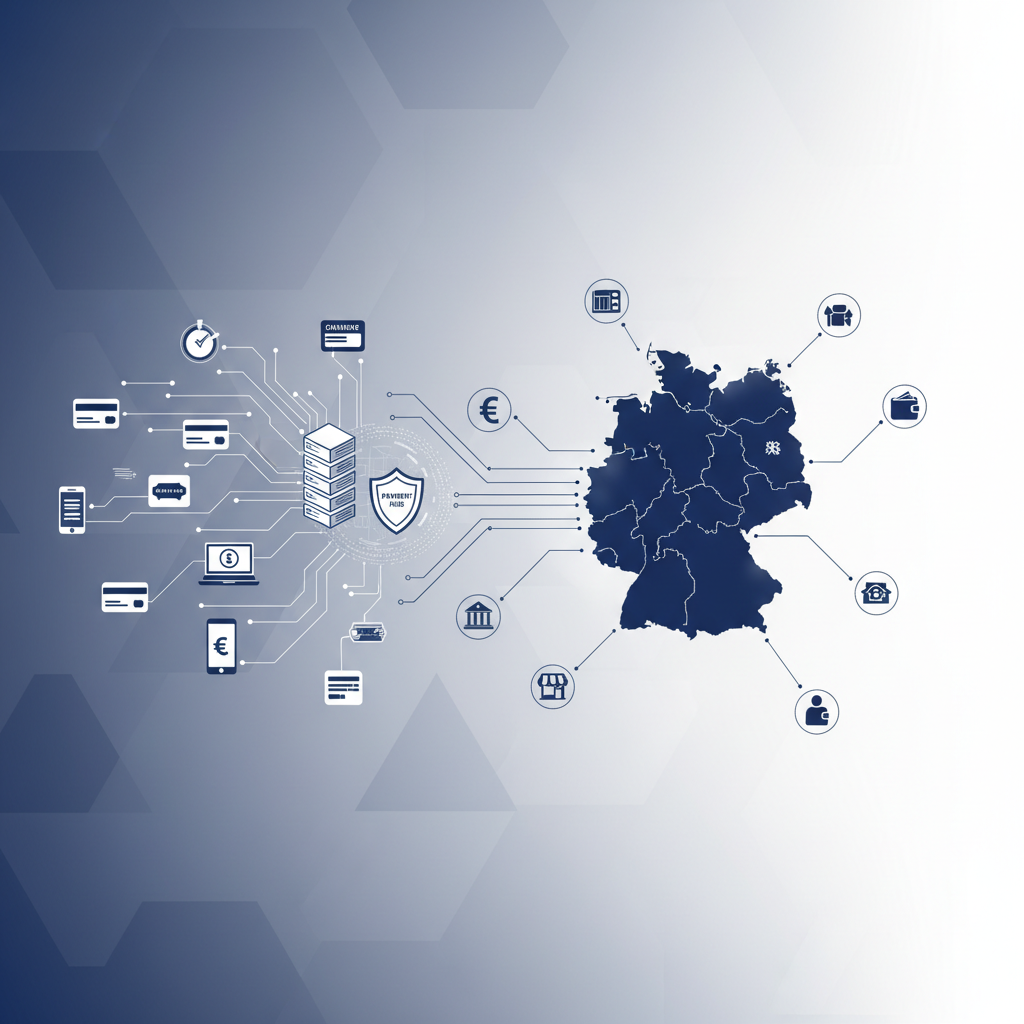
Germany, as Europe's largest economy, presents a dynamic and often complex landscape for payment processing. Businesses operating or looking to enter the German market must understand the unique preferences of German consumers, the robust regulatory environment, and the array of technological solutions available. This comprehensive guide aims to demystify payment processing in Germany, offering practical insights for entrepreneurs and established companies alike.
Understanding the German Payment Landscape
German consumers exhibit a distinct set of payment preferences that differ significantly from many other global markets. While digital payments are gaining traction, traditional methods still hold considerable sway. Cash remains a popular choice for smaller transactions, and direct debit (Lastschrift) is exceptionally prevalent for recurring payments and larger purchases, reflecting a strong cultural emphasis on financial control and security. Credit card usage, while growing, is not as dominant as in the US or UK, with debit cards (Girocard) being the preferred card-based option. Online, digital wallets and instant bank transfers are increasingly important.
Key Payment Methods in Germany
- Girocard (formerly EC-Karte): This is the most widely used debit card in Germany, issued by virtually all German banks. It is accepted at millions of POS terminals and increasingly online. For businesses, accepting Girocard is non-negotiable for physical retail.
- SEPA Direct Debit (Lastschrift): Essential for subscription services, utility payments, and B2B transactions. It allows businesses to pull funds directly from a customer's bank account, provided the customer has granted a mandate. This method is highly trusted and cost-effective.
- SEPA Credit Transfer (Überweisung): A standard bank transfer, often used for online purchases where customers prefer to pay directly from their bank account. Instant SEPA Credit Transfers are also gaining popularity, offering immediate settlement.
- Credit Cards (Visa, Mastercard, American Express): While not as dominant as Girocard, credit card acceptance is crucial for international customers and for businesses targeting a broader, often higher-spending demographic. American Express has a smaller market share but caters to a specific segment.
- PayPal: A dominant force in online payments, PayPal is almost a must-have for e-commerce businesses in Germany due to its widespread adoption and perceived security by consumers.
- Klarna (Pay Now, Pay Later, Slice It): Klarna has rapidly grown in popularity, offering flexible payment options that resonate with German consumers' desire for security and control, particularly the 'Pay Later' option which allows customers to receive goods before payment.
- Sofort (now part of Klarna Group): An instant bank transfer method that allows customers to pay directly from their online banking account. It's highly secure and provides immediate payment confirmation to the merchant.
- Giropay: Another popular online bank transfer system, supported by a large number of German banks. It offers similar benefits to Sofort.
- Apple Pay / Google Pay: Mobile payment solutions are steadily gaining traction, particularly among younger demographics. Businesses should ensure their POS terminals and online checkouts are compatible.
Regulatory Environment and Compliance
Germany's payment processing landscape is heavily influenced by European Union (EU) regulations and national laws, primarily overseen by the Bundesanstalt für Finanzdienstleistungsaufsicht (BaFin) – the Federal Financial Supervisory Authority. Key regulations include:
- PSD2 (Payment Services Directive 2): This EU directive aims to increase competition and innovation in the payments industry, enhance consumer protection, and improve the security of payment services. It mandates Strong Customer Authentication (SCA) for most electronic payments, requiring multi-factor authentication for transactions, which impacts online checkout flows.
- GDPR (General Data Protection Regulation): Crucial for any business handling personal data, including payment information. Strict rules apply to data collection, storage, processing, and consent, necessitating robust data security measures and transparent privacy policies.
- Anti-Money Laundering (AML) Regulations: Payment service providers (PSPs) and businesses are subject to stringent AML requirements, including customer due diligence (CDD) and suspicious activity reporting.
- German Banking Act (Kreditwesengesetz - KWG): This act governs financial services in Germany, including payment services. Businesses acting as payment service providers without proper licensing can face severe penalties.
Compliance is not merely a legal obligation but a cornerstone of building trust with German consumers, who are highly sensitive to data privacy and financial security.
Choosing the Right Payment Processing Solution
Selecting the optimal payment processing solution involves a careful evaluation of several factors, including your business model, target audience, transaction volume, and budget.
Key Considerations:
- Target Audience Preferences: Prioritize payment methods favored by your German customers. For e-commerce, this means PayPal, Klarna, Sofort, and Giropay. For brick-and-mortar, Girocard is paramount.
- Integration Complexity: Evaluate how easily a payment gateway or PSP integrates with your existing e-commerce platform (e.g., Shopify, WooCommerce, Magento) or POS system. API-based solutions offer greater flexibility.
- Cost Structure: Understand the fee models, which typically include a setup fee, monthly fees, transaction fees (percentage + fixed fee), chargeback fees, and currency conversion fees. Compare different providers carefully.
- Security and Fraud Prevention: Ensure the solution offers robust fraud detection tools, adheres to PCI DSS (Payment Card Industry Data Security Standard) compliance, and supports SCA.
- Customer Support: Reliable and responsive customer support, ideally in German, is crucial for resolving issues quickly.
- Reporting and Analytics: Look for comprehensive reporting features that provide insights into sales, transaction trends, and reconciliation.
- Scalability: Choose a solution that can grow with your business, accommodating increased transaction volumes and potentially new markets.
Types of Providers:
- Payment Service Providers (PSPs) / Payment Gateways: Companies like Stripe, Adyen, Mollie, and local players like Concardis (now Nexi Germany) offer comprehensive solutions, bundling multiple payment methods, fraud tools, and reporting into a single integration. They simplify the process significantly.
- Acquirers: Banks or financial institutions that process credit and debit card transactions on behalf of merchants. Some PSPs also act as acquirers.
- Direct Bank Integrations: For businesses with high volumes or specific needs, direct integration with German banks for SEPA Direct Debits or Credit Transfers might be considered, though this is often more complex.
Costs and Timelines
Payment processing costs in Germany can vary widely. Typically, you can expect:
- Transaction Fees: Ranging from 0.5% to 2.9% + a fixed fee (e.g., €0.10 - €0.30) per transaction, depending on the payment method, volume, and provider. Girocard transactions tend to be cheaper than credit card transactions.
- Monthly Fees: Some providers charge a flat monthly fee, especially for POS terminals or advanced features.
- Setup Fees: Less common for online PSPs but can apply for POS terminal installations.
- Chargeback Fees: A significant cost, often €15-€25 per chargeback, regardless of the outcome.
- Hardware Costs: For physical retail, POS terminals can be purchased or rented, with costs varying based on functionality.
Timelines: Setting up online payment processing can range from a few days (for simple integrations with popular PSPs) to several weeks (for more complex custom integrations or if extensive KYC/AML checks are required). For physical POS, installation and activation might take 1-3 weeks, depending on hardware availability and network setup.
Conclusion
Navigating the German payment processing landscape requires a strategic approach, balancing consumer preferences with regulatory compliance and cost efficiency. Businesses must prioritize methods like Girocard, SEPA Direct Debit, PayPal, and Klarna to cater to the local market effectively. Adherence to PSD2, GDPR, and other financial regulations is not optional but fundamental to building trust and ensuring operational continuity. By carefully evaluating different providers, understanding their fee structures, and focusing on robust security and seamless integration, businesses can establish a strong payment infrastructure that supports growth and customer satisfaction in Germany's vibrant economy. The right payment strategy is not just about accepting money; it's about fostering customer loyalty and enabling smooth, secure transactions in a highly discerning market.