Navigating Payment Processing Solutions for Businesses in Spain: A Comprehensive Guide
This comprehensive guide explores the diverse landscape of payment processing solutions available to businesses operating in Spain. It delves into key options, regulatory considerations, cost structures, and practical advice for selecting the optimal system to thrive in the Spanish market.
Navigating Payment Processing Solutions for Businesses in Spain: A Comprehensive Guide
Spain, with its vibrant economy and increasing digital adoption, presents a dynamic market for businesses. For any enterprise, whether a fledgling startup or an established multinational, efficient and secure payment processing is not merely a convenience but a fundamental pillar of success. Understanding the myriad of solutions available, alongside the regulatory framework and cost implications, is crucial for optimising operations and enhancing customer experience. This article provides a detailed overview of payment processing solutions in Spain, offering practical insights for entrepreneurs and business professionals.
The Evolving Landscape of Payments in Spain
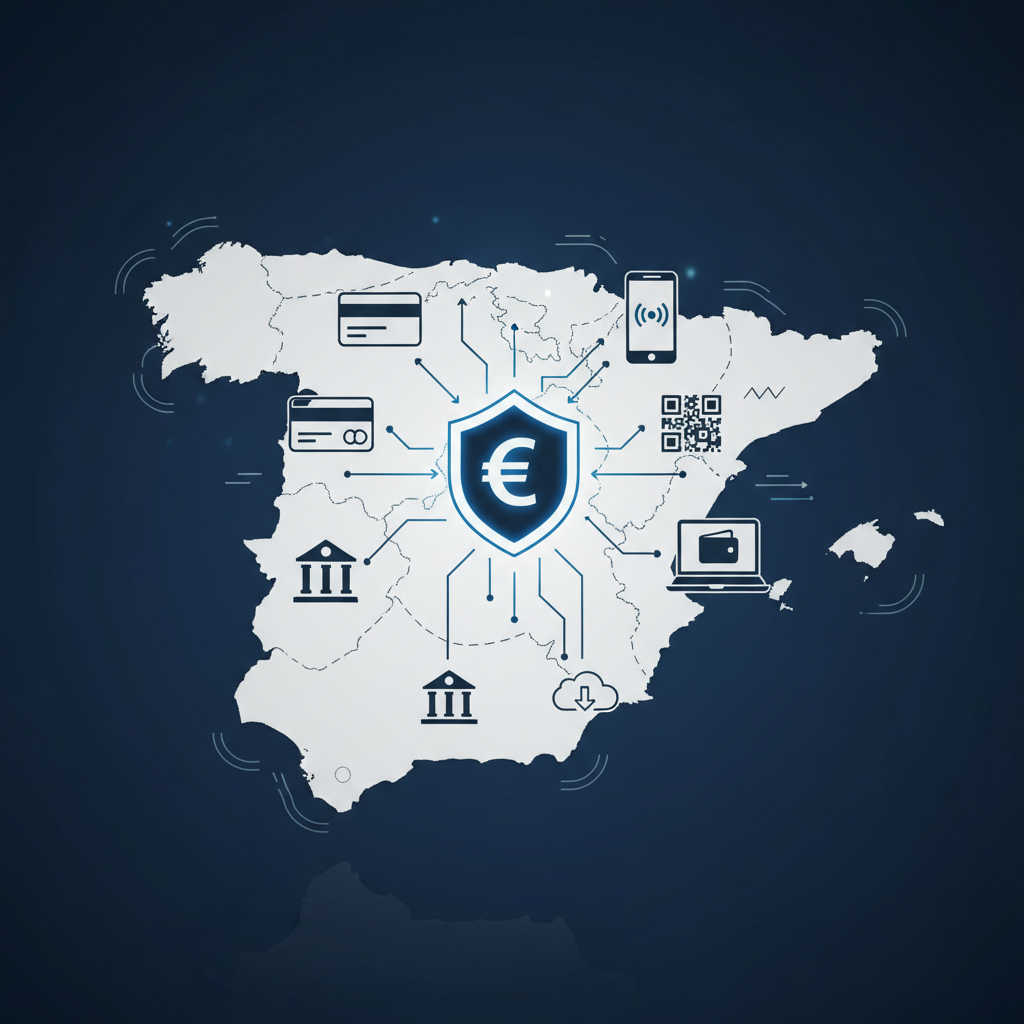
The Spanish payment ecosystem has undergone significant transformation, driven by technological advancements, changing consumer habits, and robust regulatory oversight. While cash remains prevalent in certain sectors, digital payments, including card transactions, mobile payments, and online transfers, are rapidly gaining traction. Businesses must adapt to this shift by offering a diverse range of payment options to cater to a broad customer base. The European Union's Payment Services Directive (PSD2) has played a pivotal role in shaping this landscape, fostering innovation, enhancing security, and promoting competition among payment service providers (PSPs).
Key Payment Methods in Spain
Businesses operating in Spain should consider supporting the following primary payment methods:
- Credit and Debit Cards: Visa and Mastercard are universally accepted, with American Express and Diners Club having a smaller but significant presence. Contactless payments via NFC technology are widespread.
- Bizum: This instant mobile payment service, supported by major Spanish banks, has become incredibly popular for person-to-person and increasingly for business-to-consumer transactions. Its simplicity and speed make it a strong contender for online and in-store payments.
- Bank Transfers (SEPA Credit Transfer and SEPA Direct Debit): Essential for B2B transactions, recurring payments, and larger sums. SEPA (Single Euro Payments Area) facilitates efficient cross-border euro payments within the EU.
- Digital Wallets: Apple Pay, Google Pay, and Samsung Pay are gaining popularity, offering convenience and enhanced security.
- Alternative Payment Methods (APMs): Depending on the target audience, other APMs like PayPal, Klarna (for instalments), or local specific options might be relevant.
Types of Payment Processing Solutions
Businesses have several options for integrating payment processing, each with its own advantages and considerations.
1. Traditional Merchant Accounts and Payment Gateways
Historically, businesses would establish a merchant account directly with an acquiring bank (e.g., BBVA, Santander, CaixaBank) and then integrate a separate payment gateway (e.g., Redsys, Adyen, Stripe) to process online transactions. The merchant account holds the funds before they are settled into the business's bank account, while the gateway securely transmits payment data.
- Pros: Often provides direct relationships with banks, potentially lower transaction fees for high volumes, and greater control over funds.
- Cons: Can involve complex setup processes, separate contracts for merchant account and gateway, and higher monthly fees or minimums.
2. All-in-One Payment Service Providers (PSPs)
Many modern businesses, especially SMEs and online retailers, opt for all-in-one PSPs. These providers (e.g., Stripe, PayPal, Square, SumUp, Adyen) combine the functionality of a merchant account and a payment gateway into a single service. They handle the entire payment process, from authorisation to settlement.
- Pros: Simplified setup and integration, single point of contact, often transparent pricing models, and extensive features like recurring billing, fraud detection, and multi-currency support. Ideal for e-commerce and businesses seeking quick deployment.
- Cons: Transaction fees might be slightly higher for very high volumes compared to direct bank relationships, and less direct control over the underlying banking relationships.
3. Point-of-Sale (POS) Systems
For brick-and-mortar stores, restaurants, and service providers, a robust POS system is indispensable. Modern POS systems integrate payment processing capabilities, inventory management, sales tracking, and customer relationship management. Providers like Square, SumUp, and traditional banking terminals (e.g., those offered by Spanish banks through Redsys) are common.
- Pros: Streamlined in-store operations, integrated reporting, and often support for various payment methods including contactless and mobile payments.
- Cons: Initial hardware costs, potential for vendor lock-in, and integration complexities with existing business software.
Regulatory Framework and Compliance
Operating a payment processing system in Spain requires adherence to a stringent regulatory framework, primarily driven by EU directives and national legislation.
PSD2 and SCA
The Second Payment Services Directive (PSD2) aims to increase competition, enhance consumer protection, and improve security in the payments industry. A key component of PSD2 is Strong Customer Authentication (SCA), which requires multi-factor authentication for most electronic payments. This typically involves two or more elements from the following categories:
- Knowledge: Something only the user knows (e.g., password, PIN).
- Possession: Something only the user possesses (e.g., phone, hardware token).
- Inherence: Something the user is (e.g., fingerprint, facial recognition).
Businesses must ensure their chosen payment solution is fully compliant with SCA to avoid transaction declines. PSPs generally handle the technical implementation of SCA, but businesses need to understand its implications for their checkout flows.
PCI DSS Compliance
Any entity that stores, processes, or transmits cardholder data must comply with the Payment Card Industry Data Security Standard (PCI DSS). While using a PCI DSS compliant PSP largely offloads this burden, businesses still bear some responsibility, particularly concerning their own systems and networks. Non-compliance can lead to severe penalties and reputational damage.
Anti-Money Laundering (AML) and Know Your Customer (KYC)
Payment service providers are subject to strict AML and KYC regulations. Businesses onboarding with a PSP will undergo thorough verification processes to prevent financial crime. This typically involves providing company registration documents, proof of address, and identification for beneficial owners.
Cost Structures and Pricing Models
The cost of payment processing can significantly impact a business's profitability. Understanding the various fee structures is essential for making an informed decision.
Common Fee Types:
- Transaction Fees: The most common fee, usually a percentage of the transaction value plus a fixed amount (e.g., 2.9% + €0.30). These can vary based on card type (credit vs. debit), transaction volume, and whether the card is present or not.
- Monthly Fees: Some providers charge a fixed monthly fee, especially for traditional merchant accounts or premium service tiers.
- Setup Fees: Less common with modern PSPs, but some traditional providers might charge an initial setup fee.
- Chargeback Fees: If a customer disputes a transaction, the business may incur a chargeback fee, regardless of the outcome.
- Currency Conversion Fees: Applicable for international transactions involving currency exchange.
- PCI Compliance Fees: Some providers charge a small annual fee to help cover their PCI DSS compliance costs.
Choosing the Right Model:
- Blended Pricing: A single, all-inclusive rate per transaction. Simple and predictable, often preferred by smaller businesses.
- Interchange-Plus Pricing: The actual interchange fee (paid to the issuing bank) plus a fixed markup from the acquiring bank/PSP. More transparent and potentially cheaper for high-volume businesses, but more complex to understand.
- Tiered Pricing: Transactions are grouped into tiers (e.g., qualified, mid-qualified, non-qualified) with different rates. Can be opaque and lead to higher costs than expected.
Selecting the Optimal Solution for Your Business
Choosing the right payment processing solution involves a careful evaluation of several factors:
- Business Type and Volume: E-commerce businesses might prioritise online gateway features, while retail stores need robust POS systems. High-volume businesses should negotiate for lower transaction fees.
- Target Audience: Consider the preferred payment methods of your customers. If Bizum is popular, ensure your solution supports it.
- Integration Capabilities: How easily does the solution integrate with your existing website, accounting software, or CRM? APIs and pre-built plugins are crucial.
- Security and Fraud Prevention: Evaluate the provider's fraud detection tools, PCI DSS compliance, and adherence to SCA.
- Customer Support: Reliable and responsive customer support, ideally in Spanish, is vital for troubleshooting and resolving issues quickly.
- Reporting and Analytics: Comprehensive reporting tools help monitor sales, track performance, and reconcile accounts.
- Scalability: Choose a solution that can grow with your business, accommodating increased transaction volumes and new payment methods.
- Pricing Transparency: Opt for providers with clear and understandable fee structures to avoid hidden costs.
For businesses targeting the Spanish market, it's often beneficial to choose a PSP with a strong local presence or one that explicitly supports popular Spanish payment methods like Bizum and has a deep understanding of the local regulatory environment. While international giants like Stripe and PayPal offer robust services, local players or those with strong Spanish partnerships can provide tailored support and competitive pricing for specific local needs.
Conclusion
The Spanish payment processing landscape offers a wealth of options for businesses of all sizes and types. From traditional merchant accounts to modern all-in-one PSPs and integrated POS systems, the key to success lies in selecting a solution that aligns with your business model, customer preferences, and growth aspirations. Navigating the regulatory complexities of PSD2, SCA, and PCI DSS is paramount, as is a thorough understanding of the various cost structures. By carefully evaluating these factors and prioritising security, efficiency, and customer experience, businesses can establish a robust payment infrastructure that supports their operations and fosters long-term success in the dynamic Spanish market.