Navigating Funding Options for Startups and SMEs in Hong Kong: A Comprehensive Guide
Hong Kong, a vibrant financial hub, offers a diverse landscape of funding opportunities for startups and Small and Medium-sized Enterprises (SMEs). This article delves into various financing avenues, from traditional bank loans and government grants to venture capital and crowdfunding, providing practical insights for entrepreneurs seeking capital.
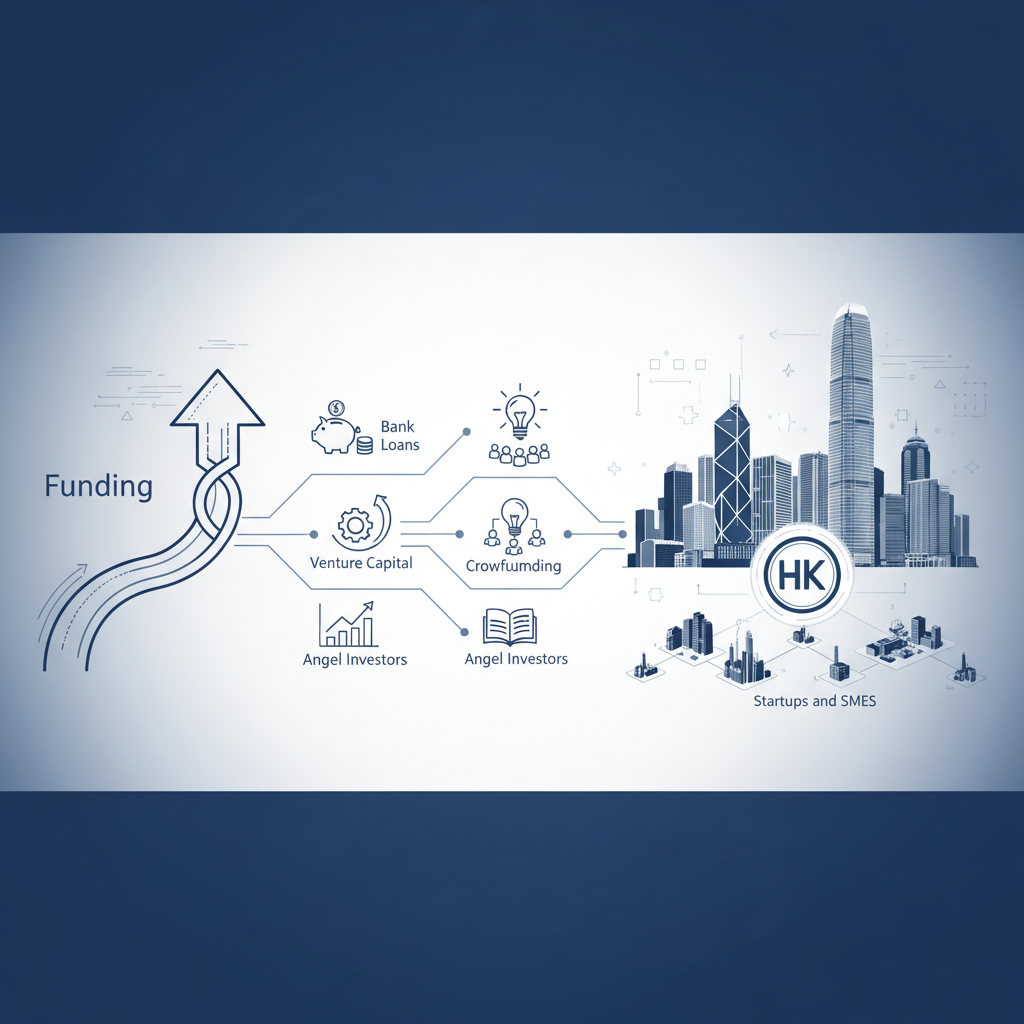
Hong Kong has long been celebrated as a dynamic international business centre, attracting entrepreneurs and investors from across the globe. Its strategic location, robust legal framework, and pro-business environment make it an ideal launchpad for startups and a fertile ground for the growth of Small and Medium-sized Enterprises (SMEs). However, a common challenge for businesses at all stages, particularly in their nascent phases, is securing adequate funding. This comprehensive guide explores the myriad funding options available in Hong Kong, offering actionable insights for entrepreneurs navigating the complex financial landscape.
Understanding the Funding Ecosystem in Hong Kong
The funding ecosystem in Hong Kong is multifaceted, encompassing both traditional financial institutions and a growing array of alternative financing mechanisms. The government plays a significant role through various support schemes, while a burgeoning startup scene has attracted considerable venture capital and angel investment. Understanding the specific characteristics and requirements of each funding source is crucial for businesses to identify the most suitable option for their unique needs and growth trajectory.
Traditional Bank Financing
Commercial banks remain a primary source of funding for established SMEs in Hong Kong. Major banks like HSBC, Standard Chartered, Bank of China (Hong Kong), and Hang Seng Bank offer a range of products, including term loans, overdraft facilities, trade finance, and revolving credit lines. Eligibility typically hinges on the company's financial health, credit history, collateral availability, and a solid business plan. Startups, particularly those without a proven track record or substantial assets, often find it challenging to secure traditional bank loans without government guarantees.
- Requirements: Strong financial statements (audited preferred), collateral (property, inventory, receivables), robust business plan, good credit history, personal guarantees from directors.
- Pros: Lower interest rates compared to alternative financing, established processes, flexibility in repayment terms for some products.
- Cons: Strict eligibility criteria, lengthy approval processes, collateral requirements can be prohibitive for startups.
Government Funding and Support Schemes
The Hong Kong government is a proactive supporter of SMEs and startups, offering numerous grants, loans, and guarantee schemes designed to foster innovation, enhance competitiveness, and facilitate market expansion. These schemes are often sector-specific or target certain business activities, making it essential for businesses to research and identify programs relevant to their operations.
SME Financing Guarantee Scheme (SFGS)
Administered by the Hong Kong Mortgage Corporation Limited (HKMC), the SFGS aims to help local enterprises, particularly SMEs, obtain financing from participating lenders. It provides loan guarantees to cover a certain percentage of the approved loan amount, thereby reducing the risk for banks and encouraging them to lend to SMEs. The scheme has different guarantee ratios (e.g., 80%, 90%, 100%) depending on the loan type and purpose, such as business installations, working capital, or specific relief measures.
- Eligibility: Registered in Hong Kong, with substantive business operations, and not a listed company or a subsidiary of one.
- Benefits: Easier access to bank financing, potentially higher loan amounts, and more favourable terms.
- Process: Applications are submitted through participating banks.
Technology Start-up Support Scheme for Universities (TSSSU)
This scheme provides funding to university-affiliated technology startups, encouraging the commercialisation of R&D outcomes from local universities. Each of the six local universities receives an annual grant to support up to 20 startup projects. The funding is non-dilutive, meaning the government does not take an equity stake.
Innovation and Technology Fund (ITF)
The ITF, managed by the Innovation and Technology Commission (ITC), offers various programmes to support innovation and technology upgrades across different sectors. Key programmes include:
- Enterprise Support Scheme (ESS): Provides dollar-for-dollar matching grants for R&D projects undertaken by companies in Hong Kong.
- Technology Voucher Programme (TVP): Subsidises local enterprises in using technological services and solutions to improve productivity, upgrade or transform their business processes. The maximum cumulative funding per enterprise is HK$600,000.
- Reindustrialisation and Technology Training Programme (RTTP): Subsidises local companies for training their staff in advanced technologies related to "Industry 4.0" and "intelligent manufacturing."
Dedicated Fund on Branding, Upgrading and Domestic Sales (BUD Fund)
This fund aims to assist Hong Kong enterprises in exploring and developing the Mainland and other free trade agreement (FTA) markets. It provides financial support for projects related to branding, upgrading and restructuring operations, and promoting domestic sales.
Private Equity, Venture Capital, and Angel Investment
For high-growth startups, particularly in the technology and innovation sectors, private equity, venture capital (VC), and angel investors represent crucial funding sources. Hong Kong has a vibrant ecosystem of these investors, ranging from local family offices to international VC firms.
Angel Investors
Angel investors are high-net-worth individuals who provide capital for startups, usually in exchange for convertible debt or ownership equity. They often bring not just capital but also valuable industry experience, mentorship, and networks. Angel investment is typically sought in the seed or early stages of a startup's life.
- Pros: Flexible terms, valuable mentorship, quicker decision-making.
- Cons: Smaller investment amounts, potential for significant equity dilution.
Venture Capital (VC) Firms
VC firms invest in companies with high growth potential in exchange for equity. They typically invest larger sums than angel investors and participate in later funding rounds (Series A, B, C, etc.). Hong Kong hosts numerous local and international VC firms, including Gobi Partners, Horizons Ventures, and Sequoia Capital China, among others. VC firms often take a more active role in guiding their portfolio companies.
- Pros: Substantial capital, strategic guidance, access to extensive networks, credibility boost.
- Cons: Significant equity dilution, demanding due diligence, pressure for rapid growth and exit.
Private Equity (PE) Firms
While VCs focus on early-stage growth, PE firms typically invest in more mature, established companies. They acquire significant stakes, often with the aim of restructuring or optimising operations before an eventual sale or IPO. PE is less common for startups but can be an option for scaling SMEs.
Alternative Funding Methods
Beyond traditional and government-backed options, several alternative funding methods have gained traction, offering flexibility and accessibility for various business models.
Crowdfunding
Crowdfunding platforms allow businesses to raise capital from a large number of individuals, typically via the internet. In Hong Kong, equity crowdfunding (where investors receive equity in exchange for funds) is regulated by the Securities and Futures Commission (SFC). Reward-based crowdfunding (where backers receive a product or service in return for their pledge) is also popular, especially for consumer products and creative projects.
- Pros: Access to a broad investor base, market validation, marketing exposure.
- Cons: Regulatory complexities for equity crowdfunding, significant marketing effort required, risk of not reaching funding goals.
Peer-to-Peer (P2P) Lending
P2P lending platforms connect borrowers directly with individual lenders, bypassing traditional financial institutions. While less prevalent for SMEs in Hong Kong compared to other markets, some platforms offer business loans. The interest rates and terms can vary widely depending on the platform and the borrower's creditworthiness.
Invoice Financing / Factoring
For businesses with significant accounts receivable, invoice financing or factoring can provide immediate cash flow. This involves selling unpaid invoices to a third-party financier at a discount. It's a useful option for businesses that need working capital quickly and have long payment terms with their clients.
- Pros: Quick access to cash, improves working capital, no collateral required beyond invoices.
- Cons: Higher cost than traditional loans, loss of control over collections (in factoring), potential impact on customer relationships.
Key Considerations for Securing Funding
Regardless of the funding source, several fundamental principles apply to successfully securing capital in Hong Kong:
- Robust Business Plan: A clear, concise, and compelling business plan is paramount. It should detail your business model, market analysis, competitive advantage, financial projections, and management team.
- Financial Preparedness: Maintain accurate and up-to-date financial records. Be prepared to present detailed financial statements, cash flow projections, and funding utilisation plans.
- Strong Management Team: Investors back people as much as ideas. Highlight the experience, expertise, and commitment of your management team.
- Networking: Actively participate in industry events, startup accelerators, and incubators. Networking can open doors to potential investors, mentors, and partners.
- Legal and Regulatory Compliance: Ensure your business is fully compliant with Hong Kong's company law, tax regulations, and any sector-specific licensing requirements. This builds trust with potential funders.
Conclusion
Hong Kong offers a rich and diverse funding landscape for startups and SMEs, ranging from government-backed schemes and traditional bank loans to dynamic private equity, venture capital, and innovative alternative financing options. Success in securing funding hinges on a clear understanding of each option's requirements, a meticulously prepared business plan, robust financial management, and a proactive approach to networking and pitching. By strategically navigating these avenues, entrepreneurs can unlock the capital necessary to fuel their growth, innovate, and contribute to Hong Kong's vibrant economic future. The key is to match the right funding source to the specific stage and needs of your business, ensuring sustainable development and long-term success.