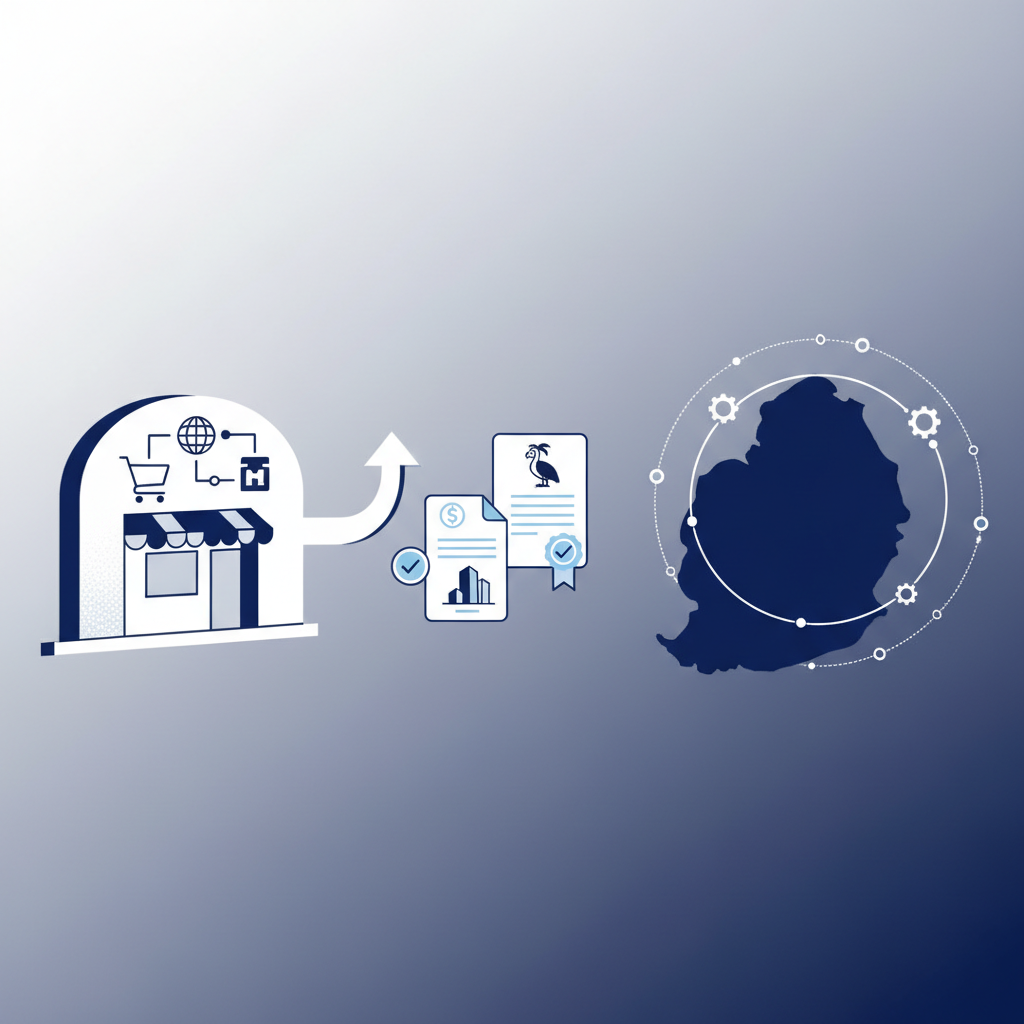
Navigating Food and Beverage Business Licensing in Ireland: A Comprehensive Guide
Launching a food and beverage business in Ireland requires navigating a complex web of licensing and regulatory compliance. This comprehensive guide provides entrepreneurs with essential insights into the legal framework, application processes, and key considerations for successful operation in the Irish F&B sector.

Navigating Food and Beverage Business Licensing in Ireland: A Comprehensive Guide
Ireland's vibrant food and beverage (F&B) sector offers significant opportunities for entrepreneurs, from quaint cafes and bustling restaurants to innovative food production facilities and mobile catering units. However, establishing and operating an F&B business in the Emerald Isle necessitates a thorough understanding and meticulous adherence to a multifaceted licensing and regulatory framework. This article delves into the critical aspects of food and beverage business licensing in Ireland, providing a roadmap for aspiring and existing business owners to ensure compliance, mitigate risks, and foster sustainable growth.
The Regulatory Landscape: Key Authorities and Legislation
The Irish F&B regulatory environment is primarily governed by a combination of national and European Union (EU) legislation, enforced by several key bodies. Understanding the roles of these authorities is paramount for any F&B operator.
Food Safety Authority of Ireland (FSAI)
The FSAI is the central statutory body responsible for enforcing food safety legislation in Ireland. Its primary objective is to protect public health and consumer interests in relation to food. The FSAI develops food safety policies, provides scientific advice, and ensures compliance through various enforcement agencies. All food businesses must register with the FSAI or their local environmental health service before commencing operations. This registration is a fundamental first step and is free of charge. The FSAI also publishes comprehensive guides and resources, such as the 'Guide to Food Law for Food Businesses', which are invaluable for understanding specific obligations.
Local Authorities (Environmental Health Service)
Local authorities, through their Environmental Health Service (EHS), are responsible for the day-to-day enforcement of food safety legislation at the local level. This includes carrying out inspections of food businesses, investigating complaints, and ensuring compliance with hygiene standards. Businesses must register with their local EHS, which will then conduct initial and subsequent routine inspections. These inspections assess everything from premises layout and equipment to food handling practices, temperature control, pest control, and staff training. Non-compliance can lead to enforcement notices, prohibition orders, and even prosecution.
Health Service Executive (HSE)
While the FSAI sets the standards, the HSE's Environmental Health Officers (EHOs) are the frontline enforcers. They are responsible for inspecting food businesses, ensuring adherence to hygiene regulations, and investigating foodborne illness outbreaks. Their role is critical in maintaining public health standards across the F&B sector.
Department of Agriculture, Food and the Marine (DAFM)
For businesses involved in primary production (e.g., farming, fishing) or processing certain animal products, the DAFM plays a significant role. They regulate aspects such as animal health, welfare, and the safety of products of animal origin. Businesses dealing with meat, dairy, or fish products may require specific approvals and inspections from DAFM.
Alcohol Licensing (Revenue Commissioners and Courts)
If your F&B business intends to sell alcohol, this introduces a separate and complex layer of licensing. Alcohol licenses are granted by the District Court and are overseen by the Revenue Commissioners. There are various types of licenses, such as pub licenses, restaurant certificates, wine retailers' off-licenses, and special restaurant licenses, each with specific conditions and application processes. The application typically involves public notices, Garda (police) checks, and court hearings. This process can be lengthy and costly, often requiring legal representation. The cost of an alcohol license varies significantly depending on the type and location, with initial applications potentially running into thousands of euros, excluding legal fees. Annual renewal fees also apply.
Essential Licenses and Registrations for F&B Businesses
Beyond the overarching regulatory bodies, several specific licenses and registrations are typically required for F&B operations in Ireland.
1. Business Registration (Companies Registration Office - CRO)
Before anything else, your business entity must be properly registered. This could be as a sole trader, partnership, or a limited company with the Companies Registration Office (CRO). This provides your business with legal standing.
2. Food Business Registration/Approval
As mentioned, all food businesses must be registered with the local EHS. Certain types of businesses, particularly those handling products of animal origin (e.g., meat plants, dairy processors), may require 'approval' rather than just registration, which involves a more stringent inspection process and adherence to specific EU regulations. This is a free registration, but failure to register is a serious offence.
3. Planning Permission
Any new build, change of use for a premises, or significant alterations to an existing structure for F&B purposes will require planning permission from the local planning authority. This can be a time-consuming process, often involving public notices and consultations. It's crucial to secure planning permission before committing to a lease or purchase, as retrospective applications can be problematic.
4. Fire Safety Certificate
All commercial premises, including F&B establishments, must obtain a Fire Safety Certificate from the local fire authority. This certifies that the building design and construction comply with fire safety regulations. An application involves submitting detailed plans and documentation, and inspections will be carried out.
5. Waste Management Permit
Businesses are legally obliged to manage their waste responsibly. This involves contracting with an authorised waste collector and potentially obtaining specific permits for certain types of waste, especially food waste, from the local authority. Compliance with waste segregation and recycling targets is also important.
6. Water and Wastewater Discharge Licences
Depending on the nature and scale of operations, particularly for larger food processing facilities, a license from Irish Water may be required for the discharge of trade effluent into the public sewer system. This ensures that discharged water meets environmental standards.
7. Music and Entertainment Licences (IMRO/PPI)
If your establishment plays background music, hosts live music, or broadcasts television, you will need licenses from the Irish Music Rights Organisation (IMRO) and Phonographic Performance Ireland (PPI). These organisations collect royalties on behalf of composers, songwriters, and record labels.
8. Outdoor Seating/Street Furniture Licence
For cafes and restaurants wishing to provide outdoor seating on public footpaths, a license from the local authority is required. This involves an application, often with a fee, and adherence to specific conditions regarding public access and safety.
Costs, Timelines, and Practical Considerations
Costs
The financial outlay for licensing can vary significantly. While food business registration is free, other licenses incur fees: planning permission (hundreds to thousands of euros depending on complexity), fire safety certificates (hundreds of euros), alcohol licenses (initial grants can be thousands, plus annual renewals), outdoor seating licenses (hundreds per year), and music licenses (hundreds per year). Legal and consultancy fees for navigating these processes can also add substantially to the overall cost.
Timelines
Timelines are equally variable. Food business registration is relatively quick (days to weeks). Planning permission can take several months, especially if there are objections or requests for further information. Alcohol licensing is notoriously lengthy, often taking 6-12 months due to court schedules and public notice requirements. It is crucial to factor these lead times into your business plan.
Practical Advice
- Start Early: Begin the licensing process well in advance of your planned opening date. Delays are common.
- Seek Professional Advice: Engage with legal professionals, planning consultants, and environmental health consultants, especially for complex applications like alcohol licensing or significant premises alterations.
- Thorough Research: Utilise resources from the FSAI, local authorities, and industry bodies. Attend relevant workshops or seminars.
- Document Everything: Maintain meticulous records of all applications, communications, and certificates.
- Compliance Culture: Foster a culture of continuous compliance within your business. Regular staff training on food hygiene, waste management, and safety protocols is essential.
- Engage with EHOs: Build a professional relationship with your local Environmental Health Officer. They can be a valuable source of guidance.
Conclusion
Establishing and operating a food and beverage business in Ireland is an exciting venture, but it demands a rigorous approach to licensing and regulatory compliance. From initial registration with the FSAI and local EHS to securing planning permission, fire safety certificates, and potentially complex alcohol licenses, each step requires careful attention to detail. Understanding the roles of key regulatory bodies, anticipating costs and timelines, and proactively seeking professional guidance are critical for success. By meticulously navigating this landscape, entrepreneurs can ensure their F&B business is not only legally compliant but also operates to the highest standards of public health and safety, laying a strong foundation for long-term prosperity in the dynamic Irish market.