Navigating Fintech and Digital Banking for Businesses in Germany: A Comprehensive Guide
This article explores the burgeoning landscape of fintech and digital banking options for businesses operating in Germany. It provides practical insights into the regulatory environment, key players, and the advantages these modern financial solutions offer for operational efficiency and growth.
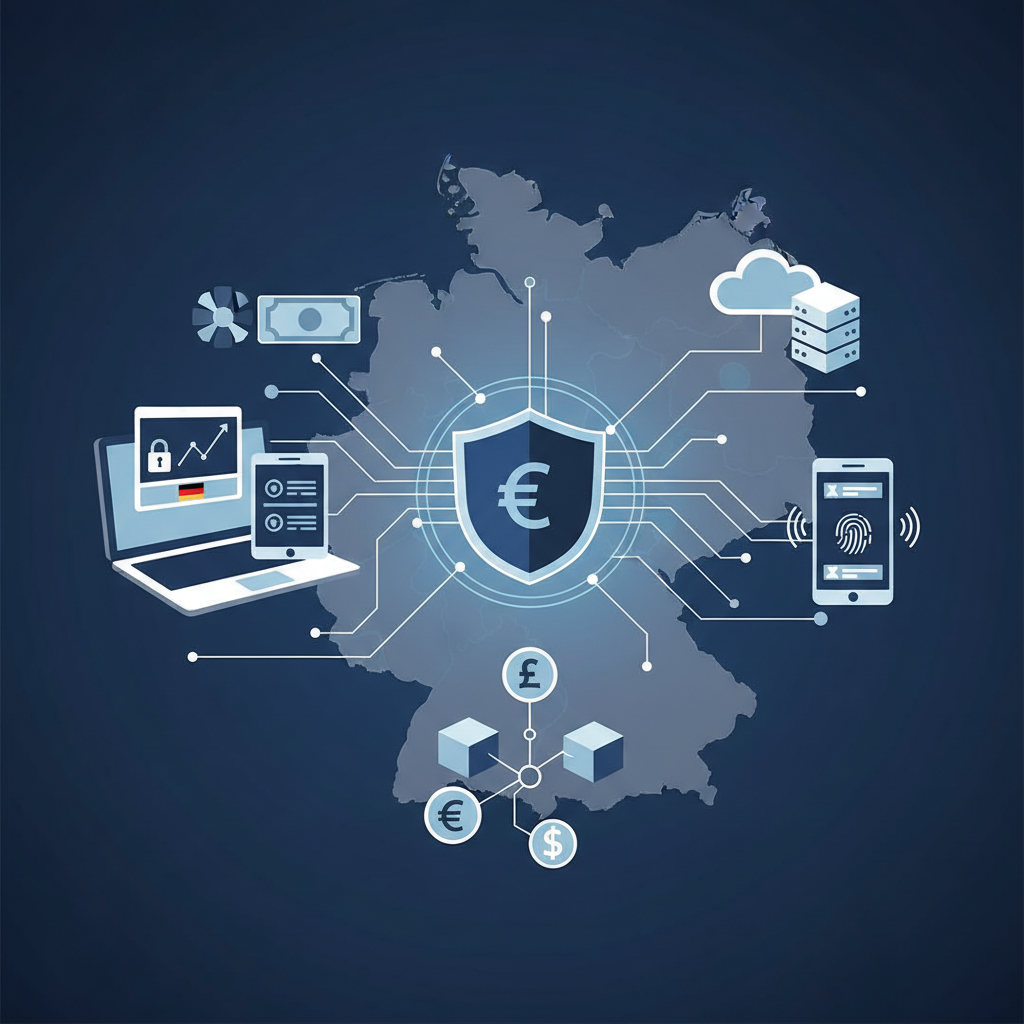
Germany, a powerhouse of European industry and innovation, has witnessed a significant transformation in its financial services sector, driven by the rapid ascent of fintech and digital banking. For businesses, from startups to established enterprises, understanding and leveraging these modern financial tools is no longer a luxury but a strategic imperative. This comprehensive guide delves into the opportunities, challenges, and practical considerations for businesses seeking to embrace fintech and digital banking in Germany.
The Rise of Digital Banking in Germany
The German banking landscape has traditionally been dominated by established commercial banks and a strong network of public savings banks (Sparkassen) and cooperative banks (Volksbanken Raiffeisenbanken). While these institutions still hold significant market share, the past decade has seen the emergence of agile, technology-driven challengers. Digital banks, often operating without physical branches, offer streamlined processes, lower fees, and innovative features tailored to the modern business environment. They leverage advanced technologies like artificial intelligence (AI), machine learning (ML), and blockchain to provide services ranging from instant account opening and real-time transaction monitoring to integrated accounting solutions and flexible financing options.
For businesses, the appeal of digital banking lies in its efficiency and accessibility. Traditional banking processes can often be cumbersome and time-consuming, particularly for international transactions or complex financial operations. Digital banks, on the other hand, offer 24/7 access, intuitive online platforms, and mobile applications, enabling businesses to manage their finances anytime, anywhere. This agility is particularly beneficial for small and medium-sized enterprises (SMEs) and startups that require flexible and scalable financial solutions to support their growth.
Key features often provided by digital banks include multi-currency accounts, virtual debit cards, API integrations for seamless connection with other business software (e.g., ERP systems, accounting platforms), and advanced analytics to provide insights into spending patterns and cash flow. Some digital banks also specialize in specific niches, such as international payments or e-commerce solutions, offering highly tailored services to businesses with particular needs.
Regulatory Landscape and Compliance
Operating within the German financial sector, whether as a traditional bank or a fintech company, requires strict adherence to a robust regulatory framework. The primary regulatory body is the Bundesanstalt für Finanzdienstleistungsaufsicht (BaFin), the Federal Financial Supervisory Authority. BaFin oversees all financial services providers in Germany, ensuring market stability, consumer protection, and compliance with national and European Union (EU) regulations.
For fintechs, obtaining a banking license from BaFin can be a complex and lengthy process, often taking 12-18 months or even longer, depending on the complexity of the business model. This involves rigorous scrutiny of the business plan, capital requirements, management structure, IT security, and anti-money laundering (AML) and know-your-customer (KYC) procedures. Many fintechs initially opt for a more limited license, such as a Payment Service Provider (PSP) license or an E-money Institution (EMI) license, which allows them to offer specific financial services without the full obligations of a universal bank.
Alternatively, some fintechs operate as technology providers, partnering with existing licensed banks to offer their services under the bank's regulatory umbrella. This 'Banking-as-a-Service' (BaaS) model allows fintechs to innovate rapidly without the heavy burden of direct regulatory compliance, while banks benefit from new technologies and expanded service offerings.
Businesses utilizing digital banking services in Germany can generally expect a high level of security and regulatory oversight. BaFin's stringent requirements ensure that customer funds are protected and that financial institutions adhere to data privacy laws, such as the General Data Protection Regulation (GDPR). When choosing a digital banking provider, businesses should verify their licensing status and reputation to ensure they are engaging with a legitimate and secure institution.
Key Fintech and Digital Banking Options for German Businesses
Germany's fintech scene is vibrant, offering a diverse range of digital banking and financial technology solutions. Here are some prominent categories and examples:
Neobanks and Digital-First Banks
These are banks built from the ground up for the digital age, often without physical branches. They provide core banking services like current accounts, payment processing, and debit cards, with a strong focus on user experience and mobile accessibility. Examples include N26 Business, Revolut Business, and Kontist, which specifically targets freelancers and self-employed individuals with integrated tax tools.
Payment Solutions and Gateways
For businesses involved in e-commerce or international trade, efficient payment processing is crucial. Fintechs offer advanced payment gateways that support various payment methods (credit cards, direct debits, digital wallets), multi-currency transactions, and fraud detection. Companies like Adyen, Stripe, and PayPal are widely used, alongside German-specific solutions that cater to local payment preferences like Sofort or Giropay.
Alternative Financing and Lending Platforms
Traditional bank loans can be challenging for startups and SMEs, especially those without extensive credit histories or collateral. Fintech lending platforms offer alternative financing options such as crowdlending, invoice financing, and peer-to-peer lending. These platforms often use AI-driven credit scoring models to assess risk more dynamically, providing faster access to capital. Examples include Funding Circle and various German platforms specializing in SME financing.
Accounting and Expense Management Software
Many digital banking solutions integrate seamlessly with accounting software, automating reconciliation and reducing manual data entry. Dedicated expense management platforms, like Spendesk or Pleo, provide corporate cards and tools to track and categorize business expenses in real-time, simplifying bookkeeping and compliance.
Advantages and Considerations for Adoption
Adopting fintech and digital banking solutions offers numerous advantages for businesses in Germany:
- Cost Efficiency: Digital banks often have lower overheads, translating to reduced fees for account maintenance, transactions, and international payments compared to traditional banks.
- Operational Efficiency: Automated processes, real-time data, and seamless integrations with other business tools streamline financial management, saving time and resources.
- Enhanced Accessibility: 24/7 access via online platforms and mobile apps provides unparalleled flexibility, especially for businesses with international operations or remote teams.
- Improved Cash Flow Management: Real-time insights into income and expenditure, coupled with tools for budgeting and forecasting, enable better cash flow optimization.
- Innovation and Customization: Fintechs are constantly innovating, offering specialized services and customizable solutions that can be tailored to specific business needs.
- Faster Decision Making: Quick access to financial data and expedited transaction processing supports agile business operations and faster decision-making.
However, businesses should also consider potential challenges:
- Customer Support: While many digital banks offer excellent online support, some may lack the personalized, face-to-face interaction that traditional banks provide, which can be crucial for complex issues.
- Integration Complexity: While integrations are a strength, setting them up and ensuring seamless operation with existing systems can sometimes require technical expertise.
- Security Concerns: Although regulated, the digital nature of these services means businesses must be vigilant about cybersecurity and data protection. Choosing reputable, licensed providers is paramount.
- Limited Branch Network: The absence of physical branches can be a disadvantage for businesses that prefer in-person services or need to deposit large amounts of cash regularly.
Conclusion
The landscape of fintech and digital banking in Germany presents a compelling opportunity for businesses to modernize their financial operations, enhance efficiency, and foster growth. From agile neobanks offering streamlined accounts to specialized platforms for payments and financing, the options are diverse and continually evolving. While the regulatory environment is robust, ensuring security and compliance, businesses must carefully evaluate their specific needs and choose providers that align with their operational requirements and strategic goals. By embracing these innovative financial technologies, German businesses can unlock new levels of efficiency, flexibility, and competitive advantage in an increasingly digital global economy.