Navigating E-Commerce Business Requirements and Permits in the Netherlands: A Comprehensive Guide
Launching an e-commerce business in the Netherlands offers significant opportunities, but requires a thorough understanding of local regulations. This guide details the essential legal, tax, and operational requirements, ensuring a smooth and compliant market entry for online entrepreneurs.
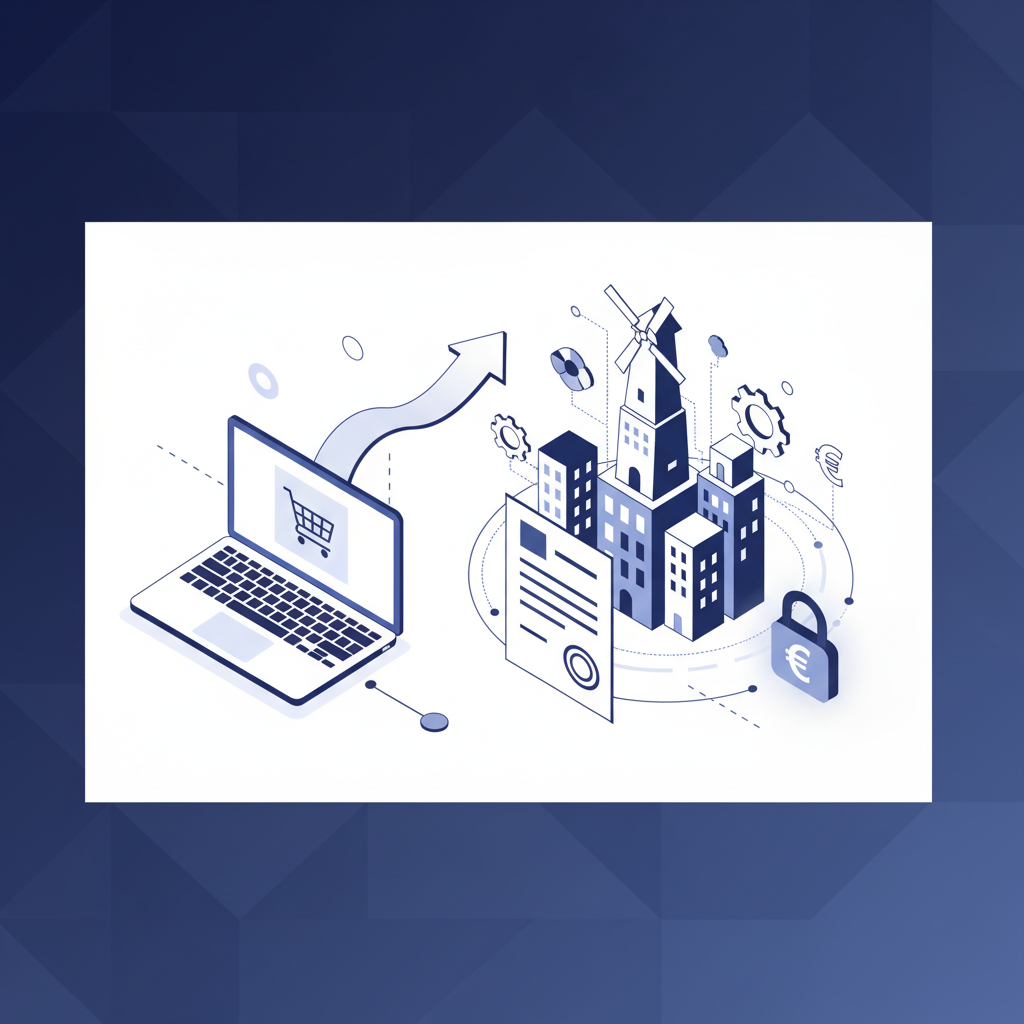
The Netherlands, with its highly developed digital infrastructure, strategic location, and tech-savvy population, presents an attractive environment for e-commerce businesses. However, establishing an online venture here necessitates a clear understanding of the regulatory landscape, encompassing business registration, tax obligations, consumer protection laws, and data privacy. This comprehensive guide aims to demystify the essential requirements and permits for e-commerce operations in the Netherlands, providing actionable insights for entrepreneurs.
Understanding the Dutch E-Commerce Landscape
The Dutch e-commerce market is one of the most mature in Europe, characterized by high internet penetration, widespread use of online payment methods like iDEAL, and a strong consumer trust in online shopping. This robust environment, however, comes with stringent legal frameworks designed to protect consumers and ensure fair competition. Businesses looking to tap into this market must navigate national laws, EU directives, and specific industry regulations.
Legal Structure and Registration
The first step for any e-commerce business in the Netherlands is to choose an appropriate legal structure and register with the Dutch Chamber of Commerce (Kamer van Koophandel - KvK). Common legal forms for e-commerce include:
- Sole Proprietorship (Eenmanszaak): Simple to set up, minimal administrative burden, but the owner is personally liable for business debts.
- Private Limited Company (Besloten Vennootschap - BV): Offers limited liability, separating personal and business assets. Requires a notary for incorporation and has more extensive administrative obligations, but is often preferred for scaling businesses and attracting investment. The minimum share capital requirement for a BV is €0.01.
- General Partnership (Vennootschap onder Firma - VOF): Suitable for two or more partners, where each partner is personally liable for the partnership's debts.
Once the legal structure is chosen, registration with the KvK is mandatory. This involves submitting the necessary forms and identification. Upon registration, the KvK automatically informs the Dutch Tax Authorities (Belastingdienst), who will then issue a VAT number. The registration fee for the KvK is a one-time payment, typically around €50-€80, depending on the year.
Key Regulatory Compliance for E-Commerce
Operating an e-commerce business in the Netherlands involves adhering to several critical regulatory areas, primarily focused on consumer protection, data privacy, and fair trading practices.
Consumer Protection Laws
Dutch consumer protection laws are robust, largely derived from EU directives. Key aspects include:
- Right of Withdrawal (Herroepingsrecht): Consumers generally have a 14-day cooling-off period to return products purchased online without providing a reason. Businesses must clearly inform consumers about this right and provide a model withdrawal form. The return period starts from the day the consumer receives the product.
- Information Requirements: Online shops must provide clear, comprehensive information to consumers before they make a purchase. This includes details about the business (name, address, KvK number, VAT number), product characteristics, total price (including all taxes and shipping costs), payment methods, delivery times, and the right of withdrawal.
- Delivery and Risk: Goods must be delivered within 30 days unless otherwise agreed. The risk of damage or loss of the product remains with the seller until the consumer takes physical possession of the goods.
- Warranty (Garantie): Products must be fit for purpose and meet reasonable expectations. The legal warranty period is generally two years, but consumers can claim a longer period if the product is expected to last longer.
Data Privacy (GDPR Compliance)
Given the strict data protection regulations in Europe, compliance with the General Data Protection Regulation (GDPR) is paramount. E-commerce businesses must:
- Obtain Consent: Clearly and explicitly obtain consent from users for collecting and processing their personal data, especially for marketing purposes.
- Privacy Policy: Publish a clear, comprehensive, and easily accessible privacy policy explaining what data is collected, why it's collected, how it's used, and how users can exercise their rights (e.g., right to access, rectify, or erase their data).
- Data Security: Implement appropriate technical and organizational measures to protect personal data from unauthorized access, loss, or damage.
- Data Processing Agreements: If using third-party services (e.g., cloud hosting, payment processors) that handle personal data, ensure Data Processing Agreements (DPAs) are in place.
Payment Services and Financial Regulations
Choosing the right payment service provider (PSP) is crucial. While not a permit in the traditional sense, integrating payment gateways requires adherence to financial regulations. PSPs operating in the Netherlands must comply with the Payment Services Directive 2 (PSD2) and often require a license from De Nederlandsche Bank (DNB) or be registered with a licensed institution. Businesses should ensure their chosen PSP is compliant and provides secure transactions.
Tax Obligations for E-Commerce Businesses
Understanding and fulfilling tax obligations is a critical component of operating an e-commerce business in the Netherlands. The primary taxes are Value Added Tax (VAT) and corporate income tax (or income tax for sole proprietorships).
Value Added Tax (BTW)
- VAT Registration: As mentioned, registration with the KvK automatically leads to VAT registration. Businesses must charge VAT on most goods and services sold in the Netherlands.
- VAT Rates: The standard VAT rate in the Netherlands is 21%. A reduced rate of 9% applies to certain goods and services (e.g., food, books), and a 0% rate applies to intra-community supplies and exports outside the EU.
- VAT Returns: Businesses must file periodic VAT returns (usually quarterly, sometimes monthly or annually, depending on turnover) and pay the collected VAT to the Belastingdienst.
- Distance Selling Rules (OSS Scheme): For B2C sales of goods to consumers in other EU countries, the One Stop Shop (OSS) scheme simplifies VAT compliance. If sales to other EU countries exceed €10,000 annually, businesses must charge the VAT rate of the consumer's country of residence and declare it via the Dutch OSS portal, rather than registering for VAT in each EU country.
Corporate Income Tax (Vpb) / Income Tax (IB)
- BV: A BV is subject to corporate income tax. The rates are progressive, with a lower rate for profits up to a certain threshold and a higher rate for profits above that threshold. For 2024, the lower rate is 19% for taxable profits up to €200,000, and 25.8% for profits exceeding this amount.
- Sole Proprietorship/VOF: Owners of a sole proprietorship or partners in a VOF are subject to income tax on their business profits. They may be eligible for various deductions and allowances, such as the entrepreneur allowance (ondernemersaftrek) and the SME profit exemption (MKB-winstvrijstelling), which can significantly reduce their tax burden.
Operational Considerations and Permits
While most e-commerce businesses don't require specific 'permits' in the traditional sense beyond business registration, certain operational aspects might necessitate additional considerations.
General Terms and Conditions (Algemene Voorwaarden)
Having clear and legally sound General Terms and Conditions (GTCs) is crucial. These documents outline the rights and obligations of both the seller and the buyer, covering aspects like payment, delivery, returns, and dispute resolution. GTCs must be easily accessible on the website and presented to the consumer before purchase. While not a permit, well-drafted GTCs are essential for legal protection and compliance.
Website Accessibility
While not strictly enforced for all private e-commerce sites, there's a growing emphasis on digital accessibility. Adhering to Web Content Accessibility Guidelines (WCAG) can broaden your customer base and demonstrate social responsibility. Public sector websites in the Netherlands are legally required to be accessible, and this trend is extending to private entities.
Environmental Regulations (Packaging)
If your e-commerce business involves packaging, particularly if you ship a significant volume of goods, you might be subject to extended producer responsibility (EPR) schemes for packaging waste. In the Netherlands, this means contributing to the costs of collecting and recycling packaging materials. Businesses exceeding certain thresholds (e.g., 50,000 kg of packaging material annually) must register with the Packaging Register and report their packaging usage.
Conclusion
Establishing and operating an e-commerce business in the Netherlands offers immense potential, but success hinges on meticulous adherence to the regulatory framework. From selecting the appropriate legal structure and registering with the KvK to navigating complex consumer protection laws, GDPR, and tax obligations, each step requires careful attention. Entrepreneurs must prioritize transparency, customer service, and data security to build trust and ensure long-term compliance. While the initial setup might seem daunting, understanding these requirements proactively will pave the way for a smooth and successful entry into the dynamic Dutch e-commerce market, enabling businesses to thrive within a well-regulated and consumer-friendly environment. Staying informed about legislative changes, particularly those stemming from EU directives, is also crucial for sustained compliance and growth.