Navigating Denmark's Banking Requirements for Foreign-Owned Companies
Establishing a foreign-owned company in Denmark involves navigating specific banking requirements. This article provides a comprehensive guide to opening a corporate bank account, understanding compliance, and managing financial operations in the Danish market, offering crucial insights for international entrepreneurs.
Navigating Denmark's Banking Requirements for Foreign-Owned Companies
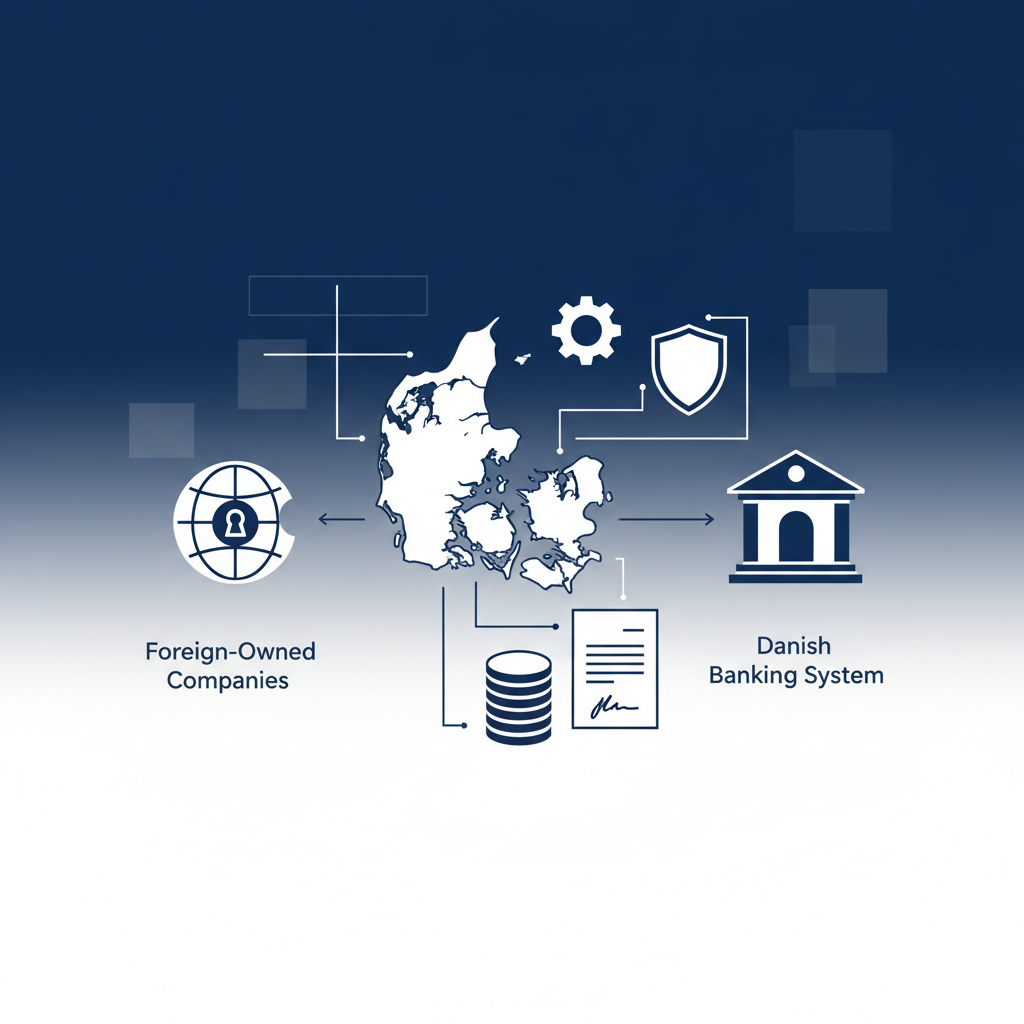
Denmark, consistently ranked among the easiest places to do business globally, offers an attractive environment for foreign investment. Its stable economy, highly skilled workforce, and transparent regulatory framework make it a prime destination for international entrepreneurs. However, a critical step for any foreign-owned company establishing operations in Denmark is successfully navigating the local banking requirements. This process, while generally straightforward, demands careful attention to detail, compliance with anti-money laundering (AML) regulations, and an understanding of the Danish financial landscape. This article delves into the essential aspects of opening and maintaining corporate bank accounts for foreign-owned entities in Denmark, providing practical insights and actionable advice.
Understanding the Danish Banking Landscape and Regulatory Framework
The Danish banking sector is robust, technologically advanced, and heavily regulated by the Danish Financial Supervisory Authority (Finanstilsynet). This regulatory oversight ensures stability, transparency, and adherence to international standards, particularly concerning anti-money laundering (AML) and counter-terrorist financing (CTF) directives. For foreign-owned companies, this translates into a rigorous Know Your Customer (KYC) process, which is a cornerstone of Danish banking. Banks are legally obligated to verify the identity of their customers, understand the nature of their business, and monitor transactions to prevent illicit activities. This stringent approach, while sometimes perceived as bureaucratic, ultimately fosters a secure and trustworthy financial environment.
Key players in the Danish banking market include large international banks with a presence in Denmark, such as Danske Bank, Nordea, Jyske Bank, and Nykredit, alongside smaller regional banks. Each institution may have slightly different onboarding processes and requirements, but all operate under the same overarching regulatory framework. Foreign companies should be prepared for detailed inquiries into their ownership structure, ultimate beneficial owners (UBOs), business activities, and expected transaction volumes. The process is designed to mitigate risks associated with international financial flows and ensure compliance with both Danish and EU regulations.
The Process of Opening a Corporate Bank Account
Opening a corporate bank account in Denmark for a foreign-owned company typically involves several stages, each requiring specific documentation and adherence to procedural steps. The complexity can vary depending on the company's structure, the nationality of its owners, and the bank chosen.
Initial Contact and Pre-Application
The first step is often to contact several banks to understand their specific requirements and services for foreign-owned entities. Many banks offer dedicated business advisors who can guide companies through the process. It's advisable to prepare a brief business plan or company overview to present during initial consultations, outlining the company's purpose, expected operations in Denmark, and financial projections. This initial engagement helps banks assess the suitability of the prospective client and can streamline the subsequent application process.
Required Documentation
The documentation required is extensive and aims to provide a comprehensive picture of the company and its owners. While specific lists may vary slightly between banks, common requirements include:
- Company Registration Certificate: Proof of registration with the Danish Business Authority (Erhvervsstyrelsen), including the company's Central Business Register (CVR) number.
- Articles of Association and Memorandum of Association: These foundational documents outline the company's structure, purpose, and internal rules.
- Proof of Identity for Directors and Ultimate Beneficial Owners (UBOs): Valid passports or national ID cards for all individuals with significant control or ownership (typically 25% or more shares or voting rights). These documents often need to be apostilled or notarised if issued outside Denmark.
- Proof of Address for Directors and UBOs: Recent utility bills or bank statements showing residential addresses.
- Company Extract/Good Standing Certificate: From the company's country of origin, if the Danish entity is a subsidiary or branch.
- Business Plan: A detailed outline of the company's activities, target market, financial forecasts, and how the Danish account will be used.
- Source of Funds/Wealth Declaration: Banks may require documentation explaining the origin of initial capital for the company.
- Power of Attorney: If the application is being handled by a third party (e.g., a lawyer or accountant).
- NemID/MitID: While not strictly required for account opening, NemID (soon to be replaced by MitID) is crucial for online banking and digital communication with Danish authorities. Foreign directors may need to apply for a Danish CPR number to obtain NemID/MitID, which can be a prerequisite for full online banking functionality.
All foreign documents typically need to be translated into Danish or English by a certified translator and, in many cases, apostilled or legalised by the issuing country's authorities.
Timeline and Challenges
The timeline for opening a corporate bank account can vary significantly. While some straightforward cases might be processed within a few weeks, more complex structures, especially those involving multiple layers of foreign ownership or high-risk jurisdictions, can take several months. Banks are under no obligation to open an account for every applicant, and they may decline based on their internal risk assessments. Common challenges include delays in providing complete documentation, difficulties in verifying foreign UBOs, and a lack of a clear business connection to Denmark. It is crucial to be proactive, provide all requested information promptly, and maintain open communication with the bank.
Costs, Fees, and Ongoing Compliance
Beyond the initial setup, foreign-owned companies must consider the costs associated with banking services and the ongoing compliance requirements.
Banking Fees and Services
Danish banks typically charge fees for corporate accounts, which can include monthly maintenance fees, transaction fees (for international transfers, for example), and fees for specific services like credit cards or payment solutions. It's essential to compare fee structures across different banks and negotiate where possible. Many banks offer packages tailored to small and medium-sized enterprises (SMEs) or larger corporations, which may include a range of services at a bundled price. Online banking platforms are standard and highly efficient, offering features for managing payments, payroll, and financial reporting.
Ongoing Compliance and Reporting
Maintaining a corporate bank account in Denmark requires ongoing adherence to compliance obligations. Banks continuously monitor transactions for suspicious activities, and companies must be prepared to provide additional information or documentation if requested. This includes regular updates on changes in ownership, directorships, or business activities. Furthermore, Danish companies are subject to various reporting requirements, including annual financial statements filed with the Danish Business Authority and tax returns with the Danish Tax Agency (Skattestyrelsen). While these are not direct banking requirements, having a functional and compliant bank account is fundamental to fulfilling these obligations.
Foreign exchange (FX) management is another critical aspect for international businesses. Danish banks offer various FX services, but companies should be aware of exchange rate spreads and transfer fees when conducting cross-border transactions. Exploring options for hedging or using multi-currency accounts might be beneficial depending on the company's international exposure.
Alternatives and Practical Advice
While opening a traditional bank account is the standard, some alternatives and practical tips can ease the process for foreign-owned companies.
Digital Banking and FinTech Solutions
The rise of FinTech has introduced alternative banking solutions. Some digital banks or payment service providers (PSPs) offer corporate accounts that might have a simpler onboarding process, especially for companies with a purely online presence. However, it's crucial to verify if these solutions meet all the company's operational needs, particularly concerning local payment infrastructure (e.g., Danish domestic transfers) and integration with accounting software. While they can be a good interim solution or complement, for full-fledged operations with significant local transactions, a traditional Danish bank account is often preferred or even necessary.
Seeking Professional Assistance
Engaging local professionals, such as lawyers, accountants, or company formation agents, can significantly streamline the banking process. These experts have established relationships with banks, understand the nuances of the Danish regulatory environment, and can assist in preparing the necessary documentation, ensuring it meets local standards. Their expertise can save time, reduce potential frustrations, and increase the likelihood of a successful account opening.
Establishing a Local Presence
Banks often view companies with a clear local presence and a demonstrable connection to the Danish economy more favorably. This can include having local employees, a physical office address (not just a virtual one), or clear business activities within Denmark. Demonstrating a genuine intention to contribute to the Danish economy can help in building trust with banking institutions.
Conclusion
Opening a corporate bank account in Denmark for a foreign-owned company is a critical step that requires careful planning, thorough documentation, and a clear understanding of the regulatory landscape. While the process can be demanding due to stringent AML/KYC requirements, Denmark's stable and transparent financial system ultimately benefits businesses by providing a secure environment for financial operations. By preparing meticulously, understanding the documentation requirements, and considering professional assistance, foreign entrepreneurs can successfully navigate the Danish banking system and establish a solid financial foundation for their ventures in this attractive Nordic market. Proactive engagement with banks, adherence to compliance, and a clear articulation of business intent are key to a smooth and successful banking experience in Denmark.