Import and Export Licensing in Panama: A Practical Guide for Businesses
Navigating the complexities of import and export licensing in Panama requires a clear understanding of local regulations, processes, and costs. This comprehensive guide provides entrepreneurs and business professionals with practical insights into Panama's trade landscape, ensuring compliance and facilitating smooth international operations.
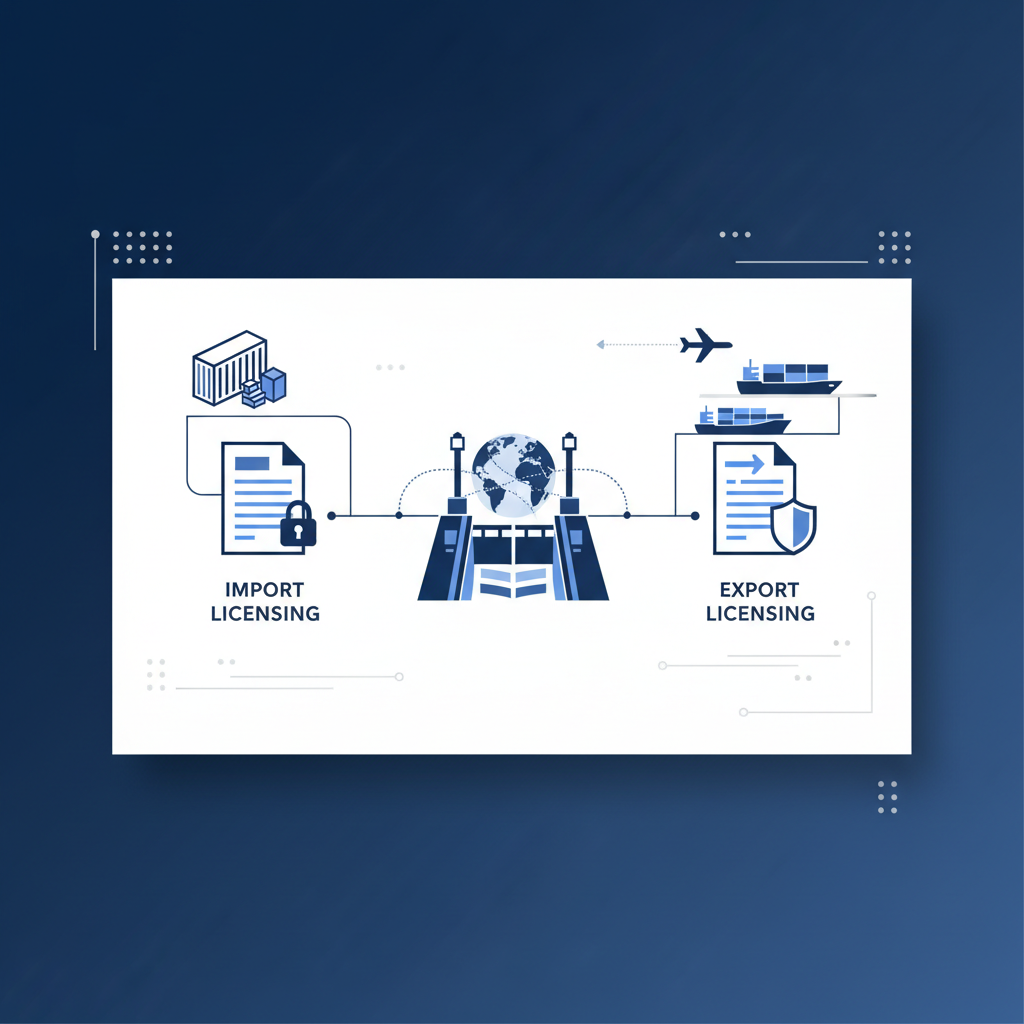
Import and Export Licensing in Panama: A Practical Guide for Businesses
Panama, with its strategic geographical location, the iconic Panama Canal, and a robust free trade zone system, stands as a pivotal hub for international trade in Latin America. For businesses looking to leverage this advantage, understanding the intricacies of import and export licensing is paramount. This guide provides a detailed overview, offering practical insights into the regulatory framework, necessary procedures, and key considerations for engaging in international trade through Panama.
Understanding Panama's Trade Landscape and Regulatory Framework
Panama's economy is heavily reliant on its logistics and services sectors, with trade playing a central role. The country operates under a relatively open trade policy, but like any sovereign nation, it has established regulations to control the flow of goods, ensure consumer safety, protect domestic industries, and collect customs duties. The primary regulatory bodies involved in import and export activities include the National Customs Authority (Autoridad Nacional de Aduanas - ANA), the Ministry of Commerce and Industries (Ministerio de Comercio e Industrias - MICI), and various other sector-specific ministries depending on the nature of the goods.
The regulatory framework is designed to streamline trade while maintaining control. Key legislation includes the Customs Law (Ley 30 de 1984, as amended) and various decrees and resolutions issued by MICI and ANA. Panama is also a member of the World Trade Organization (WTO) and has several free trade agreements (FTAs) in place, which can significantly impact duty rates and import/export procedures for goods originating from or destined for signatory countries. Businesses should always verify if their products qualify for preferential treatment under these agreements.
General Requirements for Importers and Exporters
Before engaging in any import or export activity, companies must be legally registered in Panama. This typically involves obtaining a commercial license (Aviso de Operación) from MICI and registering with the Public Registry. Additionally, all businesses involved in trade must register with the National Customs Authority and obtain a Taxpayer Identification Number (RUC - Registro Único de Contribuyente) from the Directorate General of Revenue (DGI).
For imports, a crucial step is the declaration of goods. This is done through a customs broker, who is legally mandated to process all import declarations in Panama. The customs broker acts as an intermediary, ensuring all documentation is correct, duties and taxes are paid, and goods clear customs efficiently. Similarly, for exports, while a customs broker is not always legally required, their expertise is invaluable in navigating destination country requirements and ensuring smooth logistics.
The Import Licensing Process in Panama
The import licensing process in Panama can vary significantly based on the type of goods. While many goods can be imported with standard customs declarations, certain categories require specific permits or licenses from relevant government agencies before they can enter the country.
Goods Requiring Special Import Permits
- Food Products and Beverages: Require sanitary registration and import permits from the Panamanian Food Safety Authority (Autoridad Panameña de Seguridad de Alimentos - AUPSA). This involves detailed product information, origin certificates, and compliance with Panamanian health standards.
- Pharmaceuticals and Medical Devices: Regulated by the Ministry of Health (Ministerio de Salud - MINSA). Importers need to obtain sanitary registrations for each product and specific import permits. This is a rigorous process ensuring product safety and efficacy.
- Agricultural Products, Plants, and Animals: Subject to phytosanitary and zoosanitary controls by the Ministry of Agricultural Development (Ministerio de Desarrollo Agropecuario - MIDA). Permits are required to prevent the introduction of pests and diseases.
- Chemicals and Hazardous Materials: Require permits from various agencies, including MINSA and the National Environmental Authority (Autoridad Nacional del Ambiente - ANAM, now part of the Ministry of Environment), due to their potential environmental and health risks.
- Weapons and Ammunition: Strictly controlled and require permits from the Ministry of Public Security.
- Telecommunications Equipment: May require approval from the National Authority of Public Services (Autoridad Nacional de los Servicios Públicos - ASEP) to ensure compatibility with national networks and standards.
The process for obtaining these permits typically involves submitting an application to the relevant agency, providing detailed product specifications, certificates of origin, health certificates, and often undergoing laboratory analysis. Costs and timelines vary widely depending on the complexity of the product and the specific agency involved. It is advisable to initiate the permit application process well in advance of shipment arrival to avoid demurrage charges and delays.
The Export Licensing Process in Panama
Compared to imports, the export licensing process in Panama is generally less complex, as the government aims to promote exports. Most general goods do not require specific export licenses, only a customs declaration. However, there are exceptions, primarily for strategic goods, cultural heritage items, and products subject to international conventions.
Goods Requiring Special Export Permits
- Strategic Goods (Dual-Use Items): Products that can have both civilian and military applications may require export permits to comply with international non-proliferation treaties.
- Cultural Heritage and Artworks: Export of items deemed national heritage requires permits from the National Institute of Culture (INAC) to prevent illicit trafficking.
- Endangered Species and Products Thereof: Regulated by CITES (Convention on International Trade in Endangered Species of Wild Fauna and Flora) and enforced by the Ministry of Environment, requiring specific permits.
- Certain Agricultural Products: While rare, some agricultural products may be subject to export controls during periods of domestic scarcity or to comply with international quotas.
For most exports, the process involves preparing the commercial invoice, packing list, certificate of origin (if required by the importing country or for preferential trade agreements), and submitting an export declaration through a customs broker. The customs broker will ensure all documentation is in order and that the goods are cleared for departure. Understanding the import requirements of the destination country is equally, if not more, critical for exporters to ensure their goods are accepted upon arrival.
Key Considerations, Costs, and Timelines
Costs Involved
Engaging in import and export activities in Panama involves several cost components:
- Customs Duties and Taxes: These are the most significant costs for importers. Panama applies a Common External Tariff (CET) for most goods, but rates can vary widely. Additionally, a 7% ITBMS (Impuesto a la Transferencia de Bienes Muebles y Servicios - VAT) is levied on most imported goods. Preferential tariffs under FTAs can significantly reduce or eliminate duties.
- Customs Broker Fees: Mandatory for imports, and highly recommended for exports. Fees typically range from 1% to 3% of the CIF value of the goods, plus fixed administrative charges.
- Port and Handling Charges: Fees levied by port authorities, terminal operators, and logistics providers for cargo handling, storage, and other services.
- Permit and License Fees: Variable fees charged by government agencies for processing special import/export permits. These can range from a few dollars to several hundred, depending on the complexity and type of permit.
- Transportation and Insurance: Costs associated with international shipping and cargo insurance.
Timelines
- Company Registration: 1-2 weeks.
- Customs Registration: A few days, once company registration is complete.
- Special Import/Export Permits: This is the most variable component. Simple permits might take a few days, while complex sanitary or phytosanitary registrations can take several weeks or even months, especially if laboratory testing is required. It is crucial to factor this into your planning.
- Customs Clearance: Generally efficient, taking 1-3 days for standard cargo once all documentation is in order and duties are paid. Delays can occur due to incomplete documentation, physical inspections, or issues with special permits.
Practical Tips for Businesses
- Due Diligence: Thoroughly research the specific requirements for your products, both in Panama and in the destination country. Regulations change, so always consult the latest official sources or expert advice.
- Engage a Reputable Customs Broker: Their expertise is invaluable in navigating the complexities, ensuring compliance, and expediting processes. Choose a broker with a proven track record and good communication.
- Maintain Meticulous Records: Keep all import/export documentation, permits, invoices, and certificates organized and accessible. This is crucial for audits and resolving any discrepancies.
- Consider Free Trade Zones: Panama's free trade zones, particularly the Colón Free Zone, offer significant advantages, including duty-free storage, re-export, and value-added processing, which can optimize logistics and reduce costs for certain business models.
- Stay Updated: Trade regulations are dynamic. Regularly check for updates from ANA, MICI, and other relevant agencies. Subscribing to industry newsletters or consulting with trade experts can help.
Conclusion
Panama offers a strategic gateway for international trade, but successful engagement requires a comprehensive understanding of its import and export licensing framework. While the general process for standard goods is relatively straightforward, businesses dealing with regulated products must meticulously navigate specific permit requirements from various government agencies. Proactive planning, diligent preparation of documentation, and collaboration with experienced customs brokers are critical for ensuring compliance, minimizing delays, and optimizing costs. By adhering to these guidelines, businesses can effectively leverage Panama's unique position to facilitate smooth and efficient international trade operations, contributing to their success in the global marketplace. Understanding the nuances of Panamanian trade law is not just about compliance; it's about unlocking the full potential of this dynamic logistics hub.