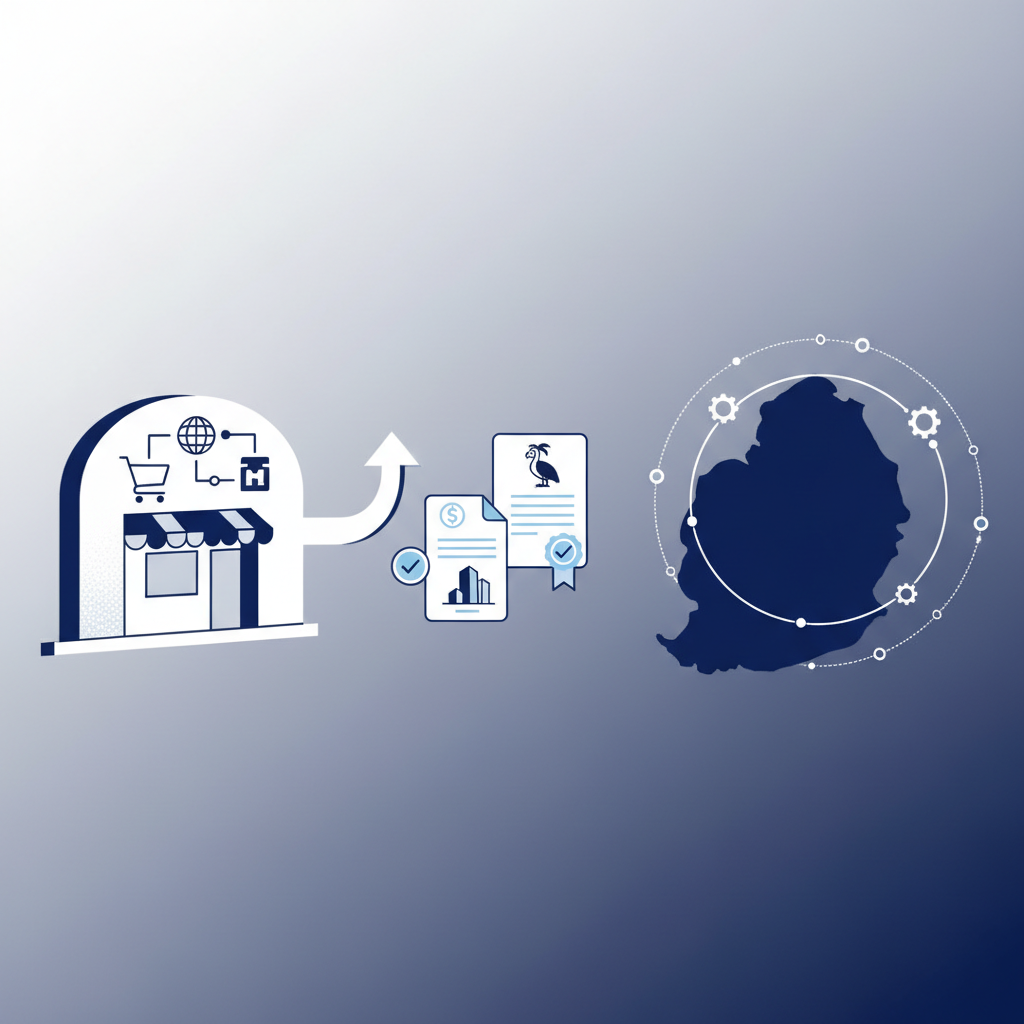
Import and Export Licensing in Austria: A Practical Guide for Businesses
Navigating import and export regulations in Austria is crucial for international trade. This guide offers a comprehensive overview of licensing requirements, processes, and key considerations for businesses operating within or through Austria, ensuring compliance and facilitating smooth cross-border operations.
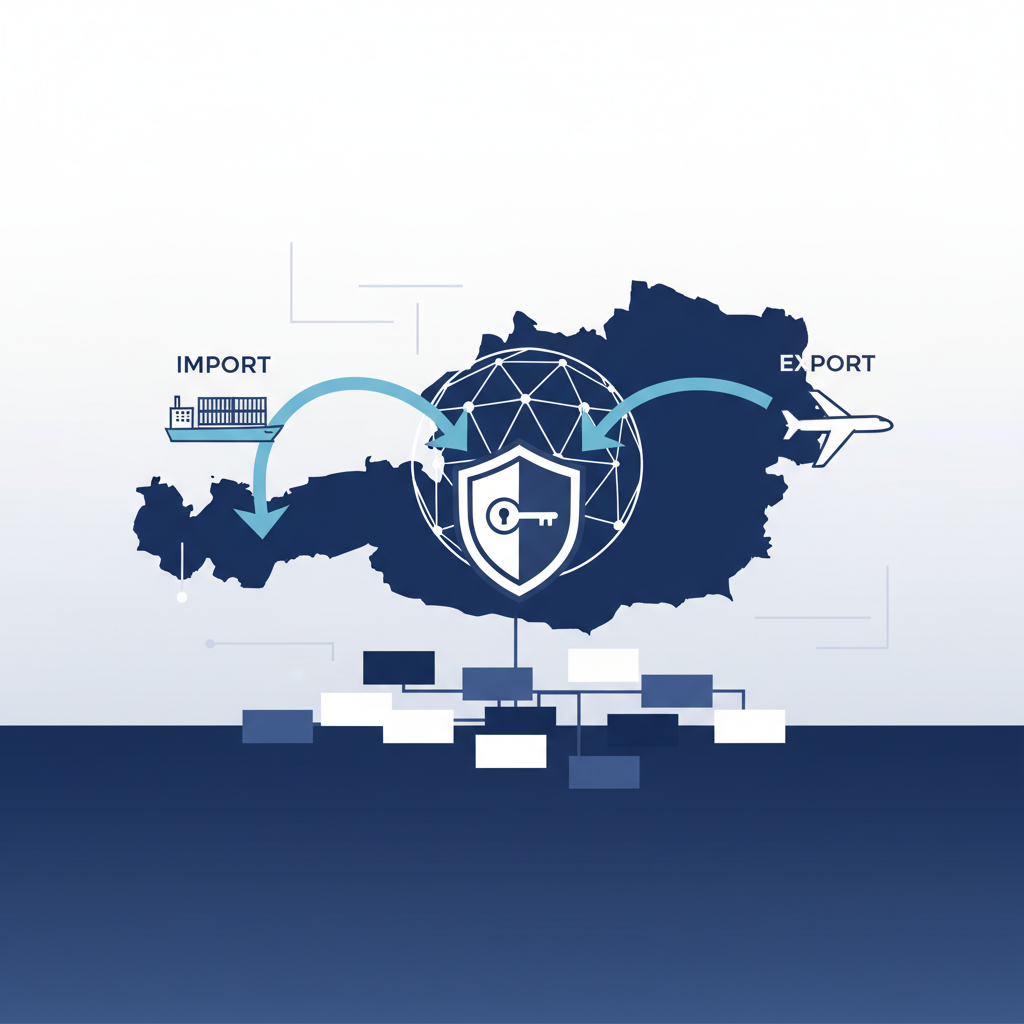
Import and Export Licensing in Austria: A Practical Guide for Businesses
Austria, as a member of the European Union (EU), operates within the framework of the EU's common commercial policy, which significantly streamlines import and export procedures for goods moving within the single market. However, trade with non-EU countries, and certain sensitive goods even within the EU, still necessitates careful attention to licensing and regulatory requirements. For entrepreneurs and established businesses looking to leverage Austria's strategic location in Central Europe, understanding these nuances is paramount for ensuring compliance, avoiding delays, and optimizing trade operations.
The EU Framework and Austrian Specifics
The foundation of import and export regulations in Austria is the EU Customs Code (Regulation (EU) No 952/2013) and its implementing acts. This means that for goods originating from or destined for another EU member state, the principle of free movement generally applies, and no customs duties or specific import/export licenses are typically required, barring exceptions for certain excise goods or products subject to specific national health, safety, or environmental regulations. However, when trading with countries outside the EU (third countries), EU customs law applies, and Austria, through its national authorities, enforces these regulations.
Key Authorities and Legislation
The primary Austrian authority responsible for customs and trade regulations is the Federal Ministry of Finance (Bundesministerium für Finanzen – BMF), particularly its customs administration (Zollverwaltung). Specific licensing requirements for certain goods might also involve other ministries, such as the Federal Ministry for Digital and Economic Affairs (Bundesministerium für Digitalisierung und Wirtschaftsstandort – BMDW) for strategic goods, or the Federal Ministry for Climate Action, Environment, Energy, Mobility, Innovation and Technology (Bundesministerium für Klimaschutz, Umwelt, Energie, Mobilität, Innovation und Technologie – BMK) for environmental or waste-related products.
Austrian national legislation, such as the Foreign Trade Act (Außenwirtschaftsgesetz – AWG) and the Foreign Trade Ordinance (Außenwirtschaftsverordnung – AWV), complements EU regulations, particularly concerning dual-use items, arms, and certain other sensitive goods. Businesses must be aware that while the EU sets the overarching framework, national interpretations and specific administrative procedures can vary.
General Import and Export Procedures
For most goods, the import and export process from/to non-EU countries involves several standard steps, even if a specific license isn't required. These steps are crucial for customs clearance:
- EORI Number Registration: All economic operators involved in customs-related activities in the EU must have an Economic Operator Registration and Identification (EORI) number. This is a unique identification code issued by the customs authorities in an EU member state. In Austria, businesses can apply for an EORI number through the BMF website.
- Classification of Goods: Correctly classifying goods using the Harmonized System (HS) and the EU's Combined Nomenclature (CN) codes is fundamental. This determines applicable customs duties, taxes, and any specific import/export restrictions or licensing requirements. Incorrect classification can lead to penalties and delays.
- Customs Declaration: An electronic customs declaration must be submitted to the Austrian customs authorities. This typically involves using the e-zoll system. The declaration includes details about the goods, their value, origin, and destination.
- Payment of Duties and Taxes: For imports from non-EU countries, customs duties (based on the Common Customs Tariff), import VAT (20% in Austria, with some exceptions), and potentially excise duties must be paid. These are calculated based on the customs value of the goods.
- Proof of Origin: Depending on trade agreements, proof of origin (e.g., EUR.1 certificate, Invoice Declaration, Certificate of Origin) may be required to benefit from preferential tariffs.
Tariffs and Trade Agreements
Austria, as part of the EU, benefits from numerous free trade agreements (FTAs) with countries worldwide. These agreements can significantly reduce or eliminate customs duties. Businesses should research whether their trading partners are covered by an EU FTA and ensure they meet the rules of origin to take advantage of preferential treatment. The EU's 'Access2Markets' portal is an invaluable resource for checking tariffs, procedures, and rules of origin for specific products and countries.
Specific Licensing Requirements
While most goods can be imported or exported without a specific license, certain categories are subject to strict controls and require prior authorization. These typically fall into the following areas:
1. Dual-Use Items
Dual-use items are goods, software, and technology that can be used for both civilian and military purposes. The EU Dual-Use Regulation (Regulation (EU) 2021/821) governs their export. In Austria, the Federal Ministry for Digital and Economic Affairs (BMDW) is responsible for issuing export licenses for dual-use items. Businesses must carefully assess if their products fall under this category, as the definition can be broad. Exporting dual-use items without a license is a serious offense.
2. Arms, Ammunition, and Military Equipment
The trade of arms, ammunition, and other military equipment is highly regulated. These require specific export and import licenses issued by the BMDW, often in consultation with the Federal Ministry of Defence. Strict national and international laws, including UN and EU sanctions, apply.
3. Cultural Goods
Export of cultural goods (e.g., valuable artworks, antiques, archaeological finds) from Austria, especially those deemed of national importance, requires an export license from the Federal Monuments Authority (Bundesdenkmalamt) under the Austrian Monument Protection Act (Denkmalschutzgesetz) and EU regulations on the export of cultural goods.
4. Endangered Species (CITES)
Trade in endangered species of wild fauna and flora, listed under the Convention on International Trade in Endangered Species of Wild Fauna and Flora (CITES), requires CITES permits. These are issued by the Federal Ministry for Climate Action, Environment, Energy, Mobility, Innovation and Technology (BMK) in Austria.
5. Pharmaceutical Products and Medical Devices
Import and export of pharmaceutical products and medical devices are subject to stringent health and safety regulations. While not always requiring a specific 'trade license' in the traditional sense, they necessitate compliance with marketing authorization, good manufacturing practices (GMP), and other regulatory approvals from agencies like the Austrian Agency for Health and Food Safety (AGES).
6. Waste Shipments
Transboundary shipments of waste, whether for disposal or recovery, are subject to strict controls under the EU Waste Shipment Regulation (Regulation (EC) No 1013/2006) and Austrian national law. These often require prior notification and consent from competent authorities in both the exporting and importing countries.
Application Process, Costs, and Timelines
The application process for specific licenses varies significantly depending on the type of goods. Generally, it involves:
- Documentation: Preparing comprehensive documentation, including detailed product descriptions, technical specifications, end-user statements, and commercial invoices.
- Application Forms: Completing specific application forms provided by the relevant ministry or authority.
- Submission: Submitting the application, often electronically, to the competent authority.
- Review and Approval: The authority reviews the application, which may involve inter-ministerial consultations or expert opinions.
Costs: Administrative fees for license applications are generally moderate, ranging from a few tens to a few hundreds of Euros, depending on the complexity and type of license. However, the indirect costs associated with compliance, such as expert consultation, legal advice, and internal process adjustments, can be more substantial.
Timelines: Processing times also vary. For straightforward applications, it might take a few weeks. For complex cases, such as dual-use items or arms, it can extend to several months, especially if additional information or clarifications are required. Businesses should factor these timelines into their planning to avoid disruptions.
Compliance and Due Diligence
Non-compliance with import and export regulations in Austria and the EU can lead to severe consequences, including:
- Fines and Penalties: Significant financial penalties, which can be substantial.
- Seizure of Goods: Goods may be seized or confiscated by customs authorities.
- Criminal Charges: For serious offenses, particularly involving strategic goods or sanctions violations, criminal charges can be brought against individuals and companies.
- Reputational Damage: Damage to a company's reputation and loss of trust.
Therefore, robust internal compliance programs are essential. This includes:
- Regular Training: Ensuring staff involved in international trade are well-versed in current regulations.
- Internal Controls: Implementing systems to identify restricted goods, verify end-users, and maintain accurate records.
- Due Diligence: Conducting thorough due diligence on trading partners, especially for sensitive goods, to prevent diversion or misuse.
- Professional Advice: Engaging customs brokers, trade consultants, or legal experts for complex transactions or when in doubt.
Conclusion
Austria's position within the EU single market offers considerable advantages for businesses engaged in international trade. However, navigating the landscape of import and export licensing, particularly for trade with non-EU countries and for specific categories of goods, demands meticulous attention to detail and a proactive approach to compliance. Understanding the EU framework, identifying Austrian-specific requirements, and diligently following application procedures are critical steps. By investing in robust internal processes and seeking expert advice when necessary, businesses can successfully manage their import and export operations, mitigate risks, and leverage Austria's strategic trade environment for sustained growth. The key to success lies in thorough preparation, continuous monitoring of regulatory changes, and an unwavering commitment to legal compliance.