Fintech and Digital Banking Options for Businesses in Luxembourg: A Comprehensive Guide
Luxembourg, a global financial hub, is rapidly embracing fintech and digital banking, offering businesses innovative solutions for payments, financing, and operational efficiency. This article explores the evolving landscape, regulatory framework, and practical options available for companies leveraging digital financial services in the Grand Duchy.
Fintech and Digital Banking Options for Businesses in Luxembourg: A Comprehensive Guide
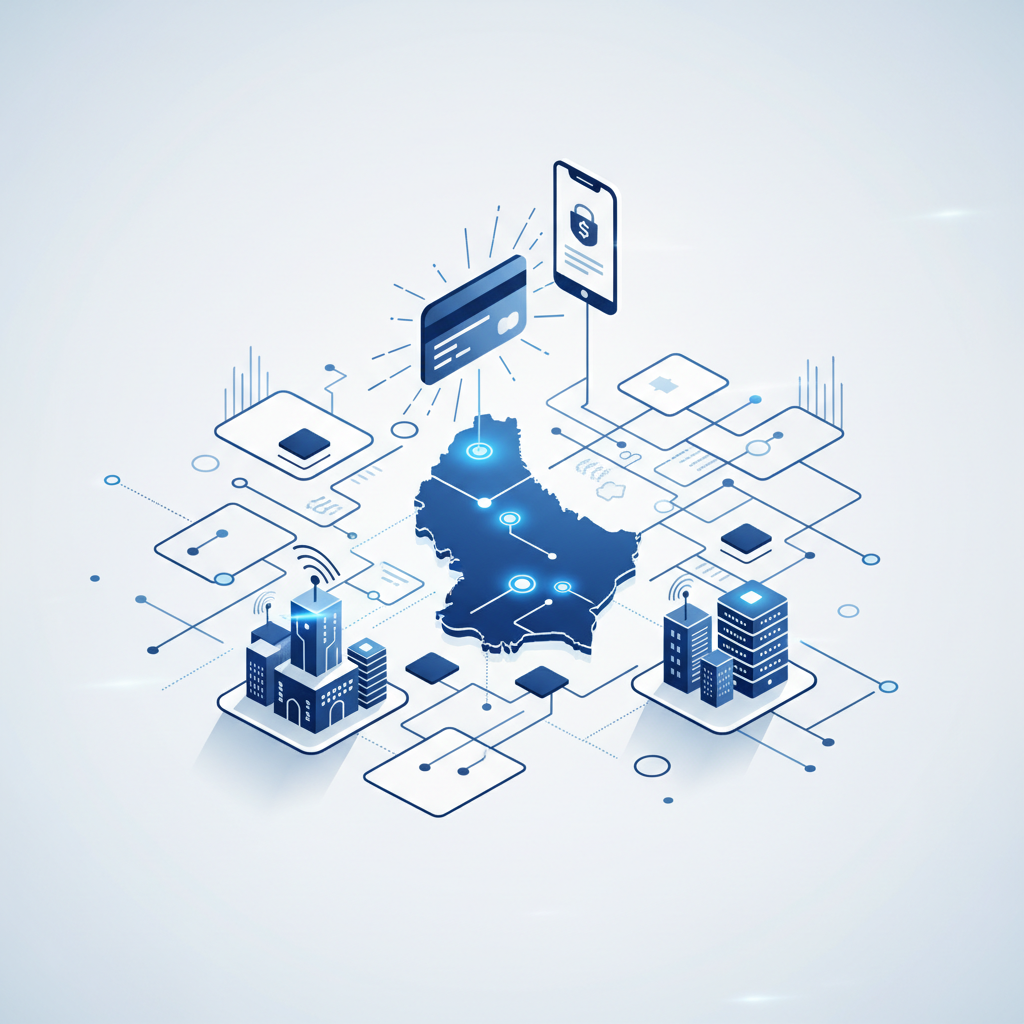
Luxembourg, renowned as a leading international financial center, has strategically positioned itself at the forefront of the fintech revolution. The Grand Duchy's robust regulatory environment, political stability, and highly skilled workforce make it an attractive jurisdiction for fintech innovation and the adoption of digital banking solutions by businesses. For entrepreneurs and established enterprises alike, understanding the diverse fintech and digital banking options available is crucial for optimizing financial operations, enhancing efficiency, and fostering growth in an increasingly digital economy.
The Evolving Landscape of Fintech in Luxembourg
Luxembourg's commitment to fintech is evident in its proactive regulatory approach and strong support ecosystem. The government, through initiatives like the Luxembourg House of Financial Technology (LHoFT), actively promotes collaboration between traditional financial institutions, startups, and technology providers. This collaborative spirit has led to the emergence of a vibrant fintech scene, offering businesses a wide array of digital financial services.
Key Areas of Fintech Innovation
- Digital Payments and Wallets: Businesses can leverage advanced payment solutions that facilitate faster, more secure, and often cheaper transactions, both domestically and internationally. This includes mobile payment apps, digital wallets, and instant payment systems that bypass traditional banking rails.
- Blockchain and Distributed Ledger Technology (DLT): Luxembourg has been a pioneer in regulating blockchain technology, particularly for financial instruments. This opens up opportunities for businesses in areas like tokenized securities, supply chain finance, and digital asset management, offering enhanced transparency and efficiency.
- RegTech (Regulatory Technology): With increasing regulatory scrutiny, RegTech solutions help businesses automate compliance processes, manage risk, and report effectively, reducing operational burdens and potential penalties.
- Lending and Alternative Finance: Digital platforms are transforming business financing, offering alternatives to traditional bank loans. This includes crowdfunding, peer-to-peer lending, and invoice financing, providing quicker access to capital for SMEs and startups.
- Open Banking and APIs: The PSD2 directive has spurred open banking initiatives, allowing third-party providers to access customer data (with consent) to offer innovative financial services. Businesses can integrate these services to gain better insights into their finances, automate accounting, and streamline payment processes.
Digital Banking Solutions for Businesses
Traditional banks in Luxembourg are increasingly investing in digital transformation, while new challenger banks and fintechs are entering the market, offering fully digital banking experiences. These solutions provide businesses with greater flexibility, lower costs, and enhanced control over their finances.
Benefits of Digital Banking for Businesses
- 24/7 Access and Convenience: Manage accounts, make payments, and access financial data anytime, anywhere, through online portals and mobile apps.
- Reduced Fees and Costs: Digital banks often have lower overheads, translating into more competitive fees for transactions, account maintenance, and international transfers.
- Faster Account Opening: Streamlined digital onboarding processes can significantly reduce the time and paperwork traditionally associated with opening a business bank account.
- Advanced Analytics and Insights: Many digital platforms offer sophisticated tools for expense tracking, budgeting, and financial reporting, providing valuable insights into cash flow and financial health.
- Seamless Integration: APIs allow for easy integration with accounting software, ERP systems, and other business tools, automating financial workflows.
Choosing a Digital Banking Partner
When selecting a digital banking provider, businesses should consider:
- Regulatory Status: Ensure the provider is licensed and regulated by the Commission de Surveillance du Secteur Financier (CSSF) or an equivalent European authority.
- Service Offerings: Evaluate if the services align with specific business needs, such as multi-currency accounts, international payments, lending options, or integration capabilities.
- Security Features: Assess the security protocols, including encryption, multi-factor authentication, and fraud prevention measures.
- Customer Support: Look for responsive and knowledgeable customer service, especially for critical financial operations.
- Pricing Structure: Understand all fees, including transaction charges, monthly maintenance fees, and foreign exchange rates.
Regulatory Framework and Compliance
Luxembourg's financial regulator, the CSSF, plays a pivotal role in fostering a secure and innovative fintech ecosystem. Its forward-thinking approach ensures that while innovation is encouraged, consumer protection and financial stability remain paramount. Businesses engaging with fintech and digital banking services must be aware of the key regulatory aspects.
Key Regulations and Directives
- PSD2 (Payment Services Directive 2): This directive has been instrumental in promoting competition and innovation in the payments sector, enabling open banking and regulating payment initiation service providers (PISPs) and account information service providers (AISPs).
- AML/CFT (Anti-Money Laundering and Counter-Terrorist Financing): Luxembourg has robust AML/CFT frameworks, aligned with EU directives, requiring all financial institutions, including fintechs, to implement stringent customer due diligence (CDD) and transaction monitoring procedures.
- MiFID II (Markets in Financial Instruments Directive II): Relevant for fintechs offering investment services, MiFID II ensures investor protection and market transparency.
- DLT Law (Blockchain Law): Luxembourg was one of the first EU countries to clarify the legal status of DLT-based securities, providing a clear framework for their issuance and transfer, which is highly beneficial for businesses exploring tokenization.
- Data Protection (GDPR): All fintech and digital banking services must adhere to the General Data Protection Regulation (GDPR), ensuring the privacy and security of customer data.
For businesses, this means ensuring that any fintech partners they engage with are fully compliant with these regulations. It also implies that businesses themselves must maintain high standards of data protection and financial security when utilizing digital financial services.
Practical Steps for Businesses
Embracing fintech and digital banking requires a strategic approach. Here are practical steps businesses in Luxembourg can take:
- Assess Current Financial Needs: Understand your business's specific requirements, including payment volumes, international transaction needs, financing gaps, and accounting integration preferences.
- Research and Identify Providers: Explore both traditional banks with advanced digital offerings and specialized fintech companies. Utilize resources like LHoFT to discover innovative solutions.
- Pilot Programs and Gradual Adoption: Consider starting with pilot programs for specific functions (e.g., a new payment gateway) before fully integrating a new digital solution across all operations.
- Prioritize Security and Compliance: Always verify the regulatory status and security measures of any fintech provider. Ensure your internal processes also align with data protection and AML requirements.
- Leverage Ecosystem Support: Engage with industry associations, incubators, and accelerators in Luxembourg to stay informed about new developments and potential partnerships.
- Train Your Team: Ensure your employees are adequately trained to use new digital banking platforms and understand the associated security protocols.
Conclusion
Luxembourg's dynamic financial ecosystem, coupled with its forward-thinking regulatory approach, makes it an ideal environment for businesses to leverage fintech and digital banking solutions. From streamlining payment processes and accessing alternative financing to enhancing compliance and gaining deeper financial insights, the opportunities are vast. By carefully evaluating their needs, understanding the regulatory landscape, and choosing the right partners, businesses in Luxembourg can harness the power of digital finance to drive efficiency, foster innovation, and secure a competitive edge in the global marketplace. The ongoing evolution of fintech promises even more sophisticated tools and services, making strategic engagement with this sector a critical component of modern business strategy in the Grand Duchy.