Fintech and Digital Banking: A Comprehensive Guide for UK Businesses
Explore the transformative landscape of fintech and digital banking for businesses in the UK. This article provides a detailed overview of the benefits, regulatory environment, key players, and practical considerations for adopting these innovative financial solutions, empowering entrepreneurs with actionable insights.
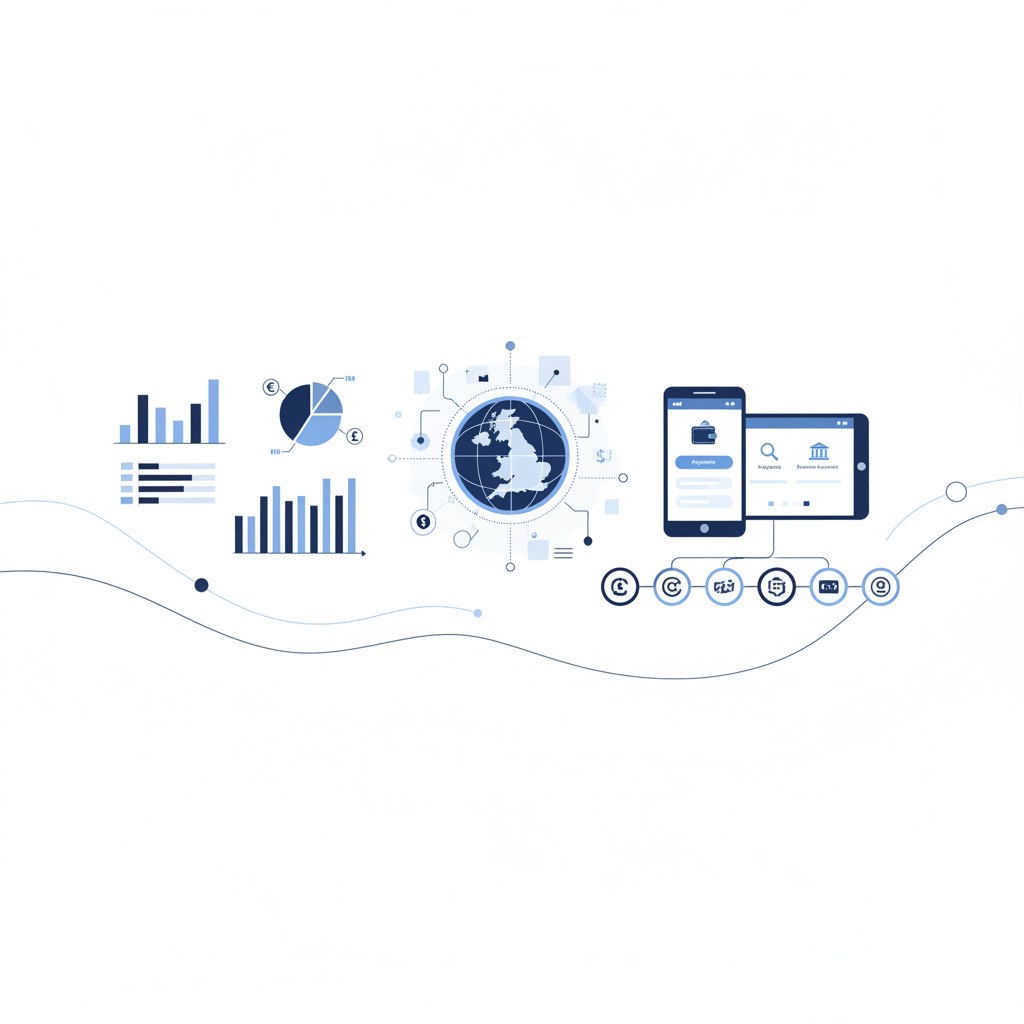
Fintech and Digital Banking Options for Businesses in the United Kingdom
The United Kingdom has long been a global hub for financial innovation, and its position has only strengthened with the rise of fintech and digital banking. For businesses, both established enterprises and burgeoning startups, the advent of these technologies presents an unprecedented opportunity to streamline operations, reduce costs, and enhance financial agility. This comprehensive guide delves into the evolving landscape of fintech and digital banking in the UK, offering practical insights for business professionals navigating this dynamic environment.
The Rise of Digital Banking and Fintech in the UK Business Sector
The traditional banking model, characterised by brick-and-mortar branches and often cumbersome processes, is rapidly being supplemented, if not outright challenged, by digital-first alternatives. Fintech, a portmanteau of "financial technology," encompasses a broad range of innovations, from payment processing and lending platforms to blockchain-based solutions and artificial intelligence-driven financial analysis. Digital banking, a subset of fintech, specifically refers to banks that operate primarily or exclusively online, offering a full suite of banking services without physical branches.
For UK businesses, the appeal of these solutions is multifaceted. Digital banks, often referred to as 'challenger banks' or 'neobanks', typically offer significantly lower fees, faster account opening processes, and more intuitive, mobile-first interfaces. They leverage technology to automate tasks, provide real-time financial insights, and integrate seamlessly with other business tools, such as accounting software. This efficiency translates directly into time and cost savings, crucial for businesses operating in a competitive market.
Furthermore, the UK's regulatory environment has been particularly conducive to fintech innovation. The Financial Conduct Authority (FCA) has actively promoted competition and innovation through initiatives like the regulatory sandbox, allowing fintech firms to test new products and services in a controlled environment. This supportive framework has fostered a vibrant ecosystem, attracting significant investment and talent, making the UK a world leader in fintech adoption.
Key Benefits and Features for UK Businesses
The advantages of embracing fintech and digital banking for UK businesses extend beyond mere convenience. They offer tangible benefits that can impact a company's bottom line and strategic capabilities.
Enhanced Efficiency and Automation
Digital banking platforms excel at automating routine financial tasks. Features like automated invoicing, expense tracking, and payroll processing can significantly reduce administrative burdens. Many platforms offer API integrations with popular accounting software (e.g., Xero, QuickBooks), allowing for real-time synchronisation of financial data, which simplifies reconciliation and provides a more accurate financial overview. This automation frees up valuable staff time, allowing employees to focus on more strategic, value-adding activities.
Cost Savings and Transparent Pricing
One of the most compelling reasons for businesses to switch to digital banking is the potential for significant cost savings. Traditional banks often impose various charges for transactions, international payments, and account maintenance. Digital banks, with their lower overheads, typically offer more competitive fee structures, often with free basic accounts and transparent pricing for premium services. International payments, a common requirement for many UK businesses, are often processed at more favourable exchange rates and with lower transfer fees compared to traditional banks.
Real-time Financial Insights and Analytics
Digital banking platforms provide businesses with real-time access to their financial data. Dashboards offer instant overviews of cash flow, spending patterns, and outstanding invoices. Many platforms incorporate advanced analytics and budgeting tools, helping businesses to better understand their financial health, identify areas for cost reduction, and make more informed strategic decisions. Some even offer predictive analytics, assisting with cash flow forecasting.
Faster Account Opening and Flexible Services
Opening a business bank account with a traditional institution can be a lengthy and bureaucratic process. Digital banks have streamlined this, often allowing businesses to open an account online within minutes or hours, with minimal paperwork. Furthermore, many digital banks offer flexible services tailored to specific business needs, such as multi-currency accounts, virtual cards, and integrated lending options, providing greater adaptability for diverse business models.
Navigating the Regulatory Landscape and Security Concerns
While the benefits are clear, businesses must also be aware of the regulatory framework and security considerations when adopting fintech and digital banking solutions.
UK Regulatory Oversight
In the UK, digital banks and many fintech companies offering financial services are regulated by the Financial Conduct Authority (FCA) and/or the Prudential Regulation Authority (PRA). This oversight ensures that these institutions adhere to strict standards regarding consumer protection, financial stability, and anti-money laundering (AML) regulations. Businesses should always verify that a fintech provider is appropriately authorised and regulated by the FCA, which can be checked via the FCA Register. Funds held with UK-regulated digital banks are typically protected by the Financial Services Compensation Scheme (FSCS) up to £85,000 per eligible person, per institution, similar to traditional banks.
Data Security and Privacy
Security is paramount in the digital age. Digital banks and fintech platforms employ robust security measures, including advanced encryption, multi-factor authentication, and fraud detection systems, to protect customer data and funds. However, businesses also have a responsibility to implement strong internal security practices, such as educating employees about phishing scams and using strong, unique passwords. Compliance with data protection regulations, such as the General Data Protection Regulation (GDPR), is also a critical consideration for any business handling customer data.
Key Players and Choosing the Right Solution
The UK market boasts a diverse array of digital banking and fintech providers, each with unique strengths. Some prominent examples include:
- Revolut Business: Offers multi-currency accounts, international payments, expense management, and integration with accounting software, catering to a wide range of businesses from freelancers to large enterprises.
- Starling Bank Business: Known for its user-friendly app, fee-free business accounts, overdraft facilities, and marketplace integrations with various business tools.
- Monzo Business: Provides intuitive mobile banking, instant notifications, spending breakdowns, and integrations, particularly popular among small businesses and sole traders.
- Tide: Focuses specifically on small businesses and freelancers, offering simple current accounts, invoicing tools, and expense management, with a strong emphasis on ease of use.
- OakNorth Bank: A challenger bank focused on lending to established businesses, offering tailored debt finance solutions.
When choosing a fintech or digital banking solution, businesses should consider several factors:
- Specific Business Needs: Does the platform offer the features crucial for your operations (e.g., international payments, payroll, expense management)?
- Scalability: Can the solution grow with your business? What are the limits on transactions or account balances?
- Fees and Pricing: Understand the fee structure, including monthly charges, transaction fees, and international payment costs.
- Integrations: Does it integrate with your existing accounting software, CRM, or other essential business tools?
- Customer Support: Evaluate the quality and availability of customer service.
- Security and Regulation: Confirm FCA regulation and robust security protocols.
- User Experience: A user-friendly interface can significantly impact adoption and efficiency.
Conclusion
Fintech and digital banking have fundamentally reshaped the financial landscape for businesses in the United Kingdom. By offering enhanced efficiency, significant cost savings, real-time financial insights, and streamlined processes, these innovative solutions empower businesses to operate more effectively and competitively. While the regulatory environment is robust and security measures are advanced, businesses must still exercise due diligence in selecting providers and maintaining strong internal security practices. For any UK business looking to modernise its financial operations, reduce administrative burdens, and gain a strategic edge, exploring the diverse and dynamic world of fintech and digital banking is no longer an option, but a necessity for sustained growth and success.