Essential Business Licenses Required to Operate in Portugal: A Comprehensive Guide
Navigating the regulatory landscape for business operations in Portugal requires a thorough understanding of essential licenses and permits. This comprehensive guide details the key requirements, processes, and considerations for entrepreneurs establishing or expanding their ventures in the Portuguese market.
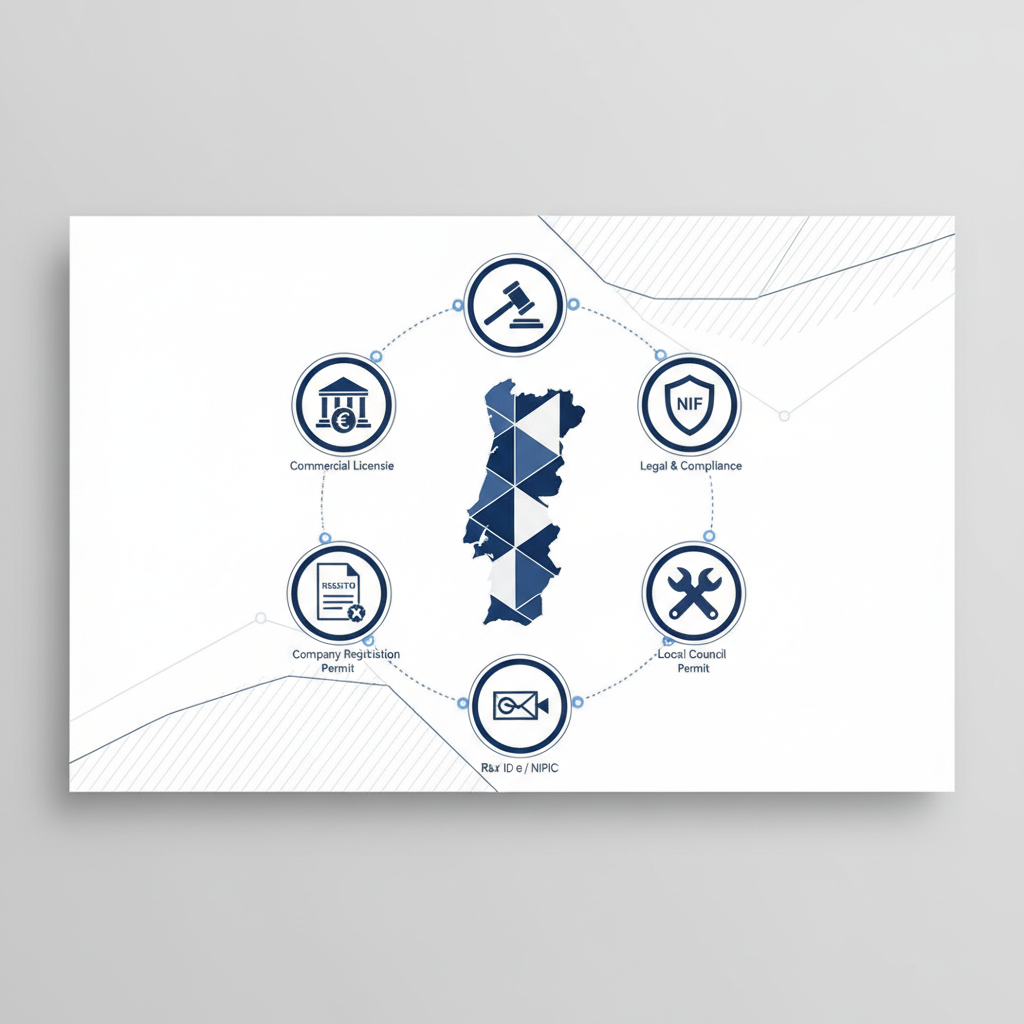
Essential Business Licenses Required to Operate in Portugal: A Comprehensive Guide
Portugal, with its strategic location, growing economy, and attractive investment climate, has become an increasingly popular destination for entrepreneurs and businesses looking to expand into the European market. However, establishing and operating a business in Portugal, like any other jurisdiction, necessitates a clear understanding and adherence to its regulatory framework, particularly concerning business licenses and permits. Failing to secure the necessary authorizations can lead to significant penalties, operational disruptions, and reputational damage. This article provides a comprehensive overview of the essential business licenses and permits required to operate legally and successfully in Portugal.
Understanding the Regulatory Landscape
The Portuguese regulatory environment is characterized by a mix of national, regional, and municipal laws. The specific licenses and permits required for a business largely depend on its industry, the nature of its activities, its physical location, and its legal structure. While some general licenses apply across most business types, many are sector-specific. It is crucial for prospective business owners to conduct thorough due diligence and, ideally, seek professional legal advice to identify all applicable requirements. The process often involves interaction with several governmental bodies, including the 'Balcão do Empreendedor' (Entrepreneur's Desk), which serves as a one-stop shop for many registration and licensing procedures, particularly for certain types of businesses.
General Business Registration and Permits
Before delving into industry-specific licenses, all businesses in Portugal must complete fundamental registration processes. The first step typically involves registering the company with the Commercial Registry Office (Conservatória do Registo Comercial). This establishes the legal entity and provides it with a unique corporate identification number (NIPC - Número de Identificação de Pessoa Coletiva).
Following corporate registration, businesses must register with the tax authorities (Autoridade Tributária e Aduaneira) to obtain a tax identification number (NIF - Número de Identificação Fiscal) and declare the commencement of activity (Declaração de Início de Actividade). This is crucial for tax compliance, including Value Added Tax (VAT) registration if applicable. Businesses employing staff must also register with the Social Security Institute (Instituto da Segurança Social) to ensure compliance with social security contributions for employees.
Another universal requirement is securing a municipal operating license (Licença de Utilização or Licença de Funcionamento) from the local Câmara Municipal (City Council). This license certifies that the premises where the business operates comply with local planning, health, safety, and environmental regulations. The application process typically involves submitting architectural plans, safety certificates, and other relevant documentation. The timeline for obtaining this license can vary significantly depending on the municipality and the complexity of the premises, ranging from a few weeks to several months.
Sector-Specific Licenses and Authorizations
Beyond the general requirements, many industries in Portugal are subject to specific licensing regimes designed to ensure public safety, environmental protection, and fair competition. Understanding these sector-specific mandates is paramount.
Food and Beverage Industry
Businesses operating in the food and beverage sector, such as restaurants, cafes, bars, and food production facilities, face stringent regulations. They must obtain a health and hygiene license from the Direção-Geral da Saúde (DGS - Directorate-General of Health) or the local health authority (ARS - Administração Regional de Saúde). This involves inspections to ensure compliance with food safety standards, HACCP (Hazard Analysis and Critical Control Points) principles, and hygiene protocols. Additionally, establishments serving alcoholic beverages require a specific license for alcohol sales, often issued by the local municipality. Businesses with outdoor seating or terraces will also need a separate permit for public space occupation.
Tourism and Accommodation
The vibrant Portuguese tourism sector is highly regulated. Hotels, guesthouses (Alojamento Local), hostels, and other tourist accommodation establishments must register with Turismo de Portugal, the national tourism authority. This registration ensures compliance with quality standards, safety regulations, and tax obligations specific to the tourism industry. Alojamento Local, in particular, has seen increased scrutiny and regulation in recent years, with specific municipal restrictions and requirements regarding capacity, safety equipment, and operational procedures. Owners must obtain a specific license from the local municipality and register the property with Turismo de Portugal, displaying the registration number prominently.
Financial Services and Professional Activities
Businesses in the financial sector, including banks, investment firms, and insurance companies, are subject to extensive regulation by the Banco de Portugal (Bank of Portugal) and the Comissão do Mercado de Valores Mobiliários (CMVM - Portuguese Securities Market Commission). These entities oversee licensing, prudential supervision, and market conduct. Similarly, certain professional activities, such as legal services, accounting, and architecture, require registration with their respective professional orders (Ordens Profissionais). These orders set professional standards, ethical guidelines, and often administer licensing exams or certifications.
Environmental and Industrial Licenses
Industrial activities, manufacturing, and businesses with a significant environmental footprint require environmental licenses and permits. These are issued by the Agência Portuguesa do Ambiente (APA - Portuguese Environment Agency) and local environmental authorities. The type of license depends on the scale and nature of the environmental impact, ranging from simple declarations for low-impact activities to complex environmental impact assessments (EIA) for larger projects. These permits often cover aspects such as waste management, emissions control, water usage, and noise pollution. Businesses handling hazardous materials will also need specific authorizations for storage, transport, and disposal.
The Application Process, Costs, and Timelines
The application process for business licenses in Portugal typically involves submitting a range of documents, including company registration certificates, tax identification numbers, proof of premises ownership or lease, architectural plans, safety certificates, and specific declarations related to the business activity. Many applications can now be initiated online through platforms like the 'Balcão do Empreendedor', which aims to simplify and expedite procedures for certain business types. However, physical submissions and inspections are often still required.
The costs associated with obtaining licenses vary widely. They can include application fees, inspection fees, and annual renewal fees. For a municipal operating license, fees might range from a few hundred to several thousand euros, depending on the municipality and the size/type of premises. Sector-specific licenses can also incur significant costs, especially in highly regulated industries like finance or pharmaceuticals. It is advisable to budget for these expenses as part of the initial business setup costs.
Timelines for license approval are also highly variable. While some straightforward permits might be issued within a few weeks, more complex licenses, especially those requiring extensive inspections or environmental impact assessments, can take several months, or even over a year, to be fully processed. Businesses should factor these timelines into their planning to avoid delays in commencing operations.
Conclusion
Operating a business in Portugal offers numerous opportunities, but success hinges on meticulous planning and strict adherence to the country's regulatory framework. The array of essential business licenses, from general corporate and tax registrations to highly specific sector-based permits, necessitates a proactive and informed approach. Entrepreneurs must diligently identify all applicable licenses based on their business type, location, and operational scope. Engaging with local legal and business consultants can significantly streamline the process, mitigate risks, and ensure full compliance, allowing businesses to focus on growth and innovation within the Portuguese market. Understanding these requirements from the outset is not merely a bureaucratic hurdle but a foundational step towards building a legitimate, sustainable, and thriving enterprise in Portugal.