Building and Managing a Remote Team from Cyprus: A Comprehensive Guide
Cyprus offers a strategic location and attractive tax incentives for businesses looking to establish and manage remote teams. This article provides a detailed guide on the regulatory framework, operational considerations, and best practices for successfully building and scaling a remote workforce from the island.
Building and Managing a Remote Team from Cyprus: A Comprehensive Guide
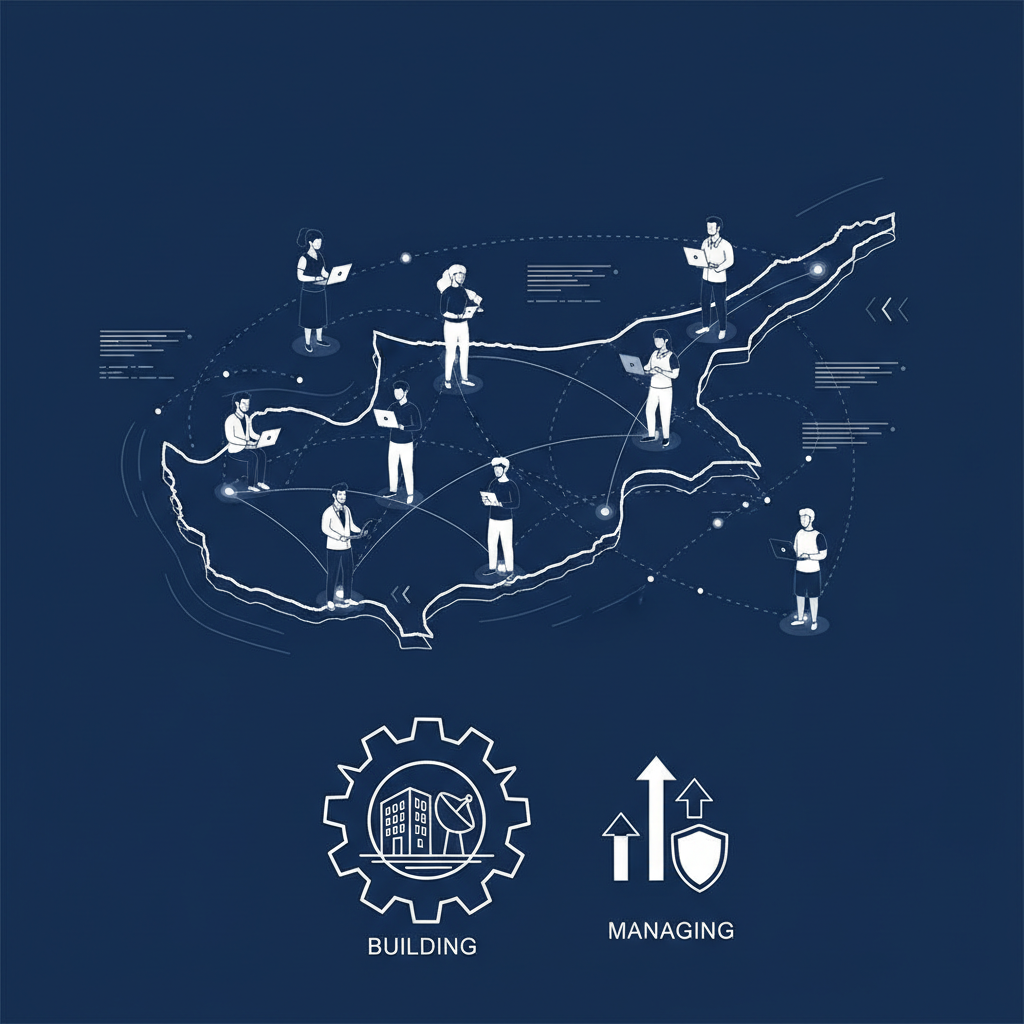
Cyprus, with its strategic geographical location at the crossroads of Europe, Asia, and Africa, coupled with a robust legal framework, attractive tax regime, and a high quality of life, has emerged as an increasingly popular hub for businesses seeking to establish and manage remote teams. The shift towards remote work, accelerated by global events, has highlighted the importance of operational flexibility and access to diverse talent pools. For entrepreneurs and established companies alike, leveraging Cyprus as a base for remote team management presents a compelling proposition, offering both economic advantages and a supportive business environment.
The Strategic Advantage of Cyprus for Remote Teams
Cyprus's appeal as a remote work hub is multifaceted. Its membership in the European Union provides access to the EU single market and adherence to EU regulations, including data protection (GDPR), which is crucial for international operations. The island boasts a well-educated, multilingual workforce, particularly proficient in English, making communication with international remote teams seamless. Furthermore, its advanced telecommunications infrastructure ensures reliable connectivity, a non-negotiable for remote operations.
Tax Incentives and Financial Benefits
One of the most significant draws for businesses in Cyprus is its favourable tax system. The corporate income tax rate of 12.5% is among the lowest in the EU, making it an attractive jurisdiction for profit repatriation. Additionally, Cyprus offers a non-domicile status for individuals, which can provide substantial tax benefits for employees relocating to the island, including exemptions from special defence contribution on dividends, interest, and rental income. For companies managing remote teams, this can translate into lower overall operational costs and increased profitability. There are also incentives for intellectual property (IP) income, with an 80% exemption on qualifying IP profits, further enhancing the financial viability for tech-centric remote businesses.
Legal and Regulatory Framework
Cyprus's legal system is based on English common law, providing a familiar and predictable environment for international businesses. Establishing a legal entity in Cyprus is a relatively straightforward process. The most common structures are limited liability companies. The registration process typically takes 5-10 working days, involving submission of company name approval, memorandum and articles of association, and details of directors and shareholders to the Department of the Registrar of Companies and Intellectual Property. The minimum share capital is not legally defined, allowing for flexibility.
For employing remote workers, businesses must adhere to Cypriot labour law, even if the employees are based outside Cyprus, depending on the employment contract's governing law. If the company is based in Cyprus and hires individuals globally, it's crucial to understand the implications of permanent establishment (PE) in other jurisdictions. This can trigger corporate tax obligations in the employee's country of residence. Careful structuring and legal advice are essential to mitigate PE risks. For employees based in Cyprus, standard employment contracts, social insurance contributions, and adherence to minimum wage laws apply. The social insurance contribution for employees is 8.3% of their insurable earnings, with an equal contribution from the employer.
Building Your Remote Team from Cyprus
Recruiting and onboarding remote talent from Cyprus requires a strategic approach. While the local talent pool is strong, businesses often leverage Cyprus as a central hub to access global talent. Platforms for remote hiring, such as LinkedIn, Upwork, and specialized remote job boards, are indispensable.
Recruitment and Onboarding Best Practices
When recruiting, clearly define job roles, responsibilities, and the specific skills required for remote work, such as self-discipline, strong communication, and adaptability. Emphasize the company culture and values, as these are critical for fostering cohesion in a distributed team. The interview process should include assessments of communication skills and the ability to work independently. For onboarding, a structured program is vital. This includes providing comprehensive documentation, access to all necessary tools and software, and dedicated mentorship. Virtual introductions to team members and regular check-ins during the initial weeks can significantly improve retention and integration.
Technology Stack for Remote Collaboration
A robust technology stack is the backbone of any successful remote team. Essential tools include:
- Communication Platforms: Slack, Microsoft Teams, Zoom for instant messaging, video conferencing, and team calls.
- Project Management Software: Asana, Trello, Jira, Monday.com for task tracking, workflow management, and collaboration.
- Document Sharing and Collaboration: Google Workspace, Microsoft 365 for real-time document editing and storage.
- Time Tracking and Productivity Tools: Toggl, Clockify for monitoring work hours and productivity, especially for hourly employees.
- Cybersecurity Solutions: VPNs, endpoint protection, and secure cloud storage are paramount to protect sensitive company data, especially with a distributed workforce.
Investing in reliable and secure technology ensures seamless operations and protects company assets, a critical consideration when managing teams across different geographical locations.
Managing and Sustaining a Remote Workforce
Effective management of a remote team transcends geographical boundaries and focuses on fostering a culture of trust, transparency, and accountability. Regular communication is paramount.
Communication and Engagement Strategies
Establish clear communication channels and expectations. Daily stand-ups, weekly team meetings, and regular one-on-one sessions with managers help maintain alignment and address challenges promptly. Encourage informal interactions through virtual coffee breaks or social events to build camaraderie. Providing opportunities for professional development and career growth is also crucial for employee engagement and retention. Recognize and celebrate achievements to boost morale and foster a positive team environment.
Performance Management and Accountability
Define clear key performance indicators (KPIs) and objectives for each team member. Implement a performance management system that allows for regular feedback, goal setting, and performance reviews. Focus on outcomes rather than hours worked, empowering employees to manage their time effectively. Trust is fundamental in remote work; micromanagement can be detrimental. Instead, empower team members with autonomy while ensuring they have the resources and support needed to succeed. Regular performance reviews, coupled with constructive feedback, help maintain high standards and address any underperformance issues proactively.
Ensuring Compliance and Data Security
Operating a remote team from Cyprus necessitates strict adherence to data protection regulations, particularly GDPR. Companies must implement robust data security measures, including encryption, access controls, and regular security audits. Employee training on data privacy and cybersecurity best practices is essential. Furthermore, understanding the legal implications of hiring in various jurisdictions, such as permanent establishment risks and local labour laws, is critical. Engaging with local legal and tax advisors in Cyprus and in the countries where remote employees reside can help navigate these complexities and ensure full compliance.
Conclusion
Cyprus offers a compelling environment for businesses looking to build and manage remote teams. Its strategic location, attractive tax regime, robust legal framework, and skilled workforce create a fertile ground for operational efficiency and growth. By carefully navigating the regulatory landscape, investing in appropriate technology, and implementing effective communication and management strategies, companies can successfully leverage Cyprus as their base for a thriving, globally distributed workforce. The journey requires meticulous planning, a commitment to employee well-being, and a clear understanding of international compliance, but the rewards of access to diverse talent and operational flexibility are substantial.